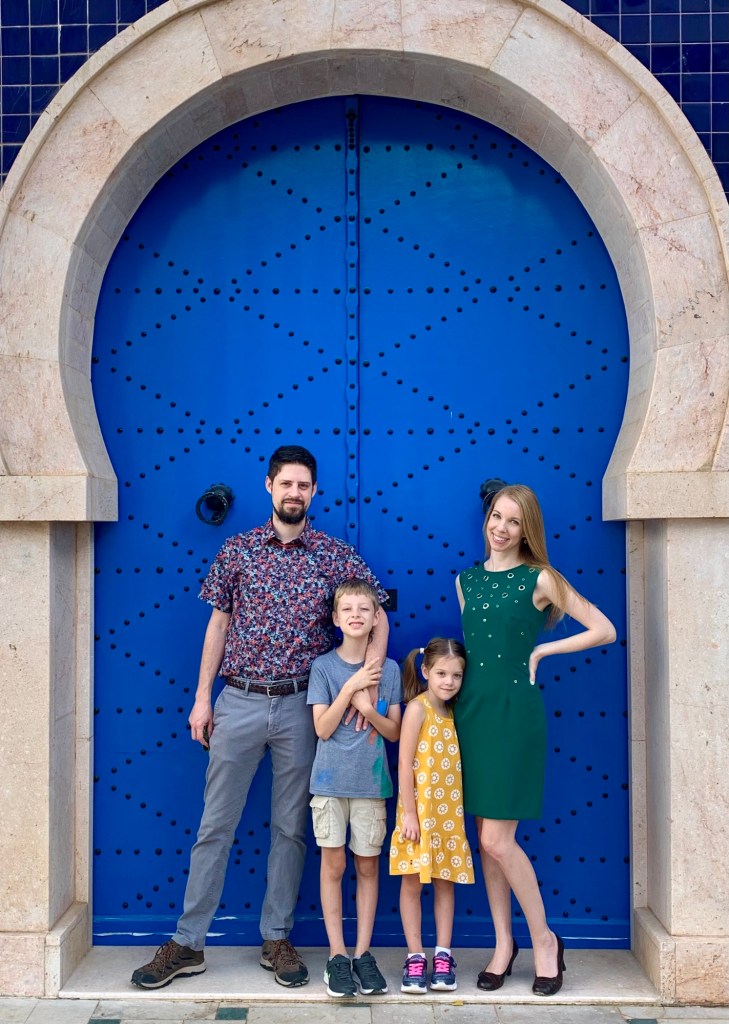
6 years ago, during the height of the Pandemic, my husband, 2 children, and I moved to Tunisia for teaching jobs at an International School. Tunisia is a small Arabic country in North Africa, bordering the Mediterranean Sea. I didn’t know much about it before moving there. Even after moving there, much of it was a mystery. I don’t speak Tunisian Arabic or French. I don’t know much about the the Muslim religion. I’m also not an expert on the history of the area; the ancient city of Carthage and their fall to the Roman Empire or even more recent history with our occupation there during World War II. However, our family lived there for 2 years and slowly soaked in the beautiful culture, scenery, food, and slower pace of life. I left Tunisia in 2022, but think of it often. We have been lucky to travel to many countries over the years, but in my eyes, nothing quite compares. There’s something spiritual, older, wilder, and deeply special about Tunisia
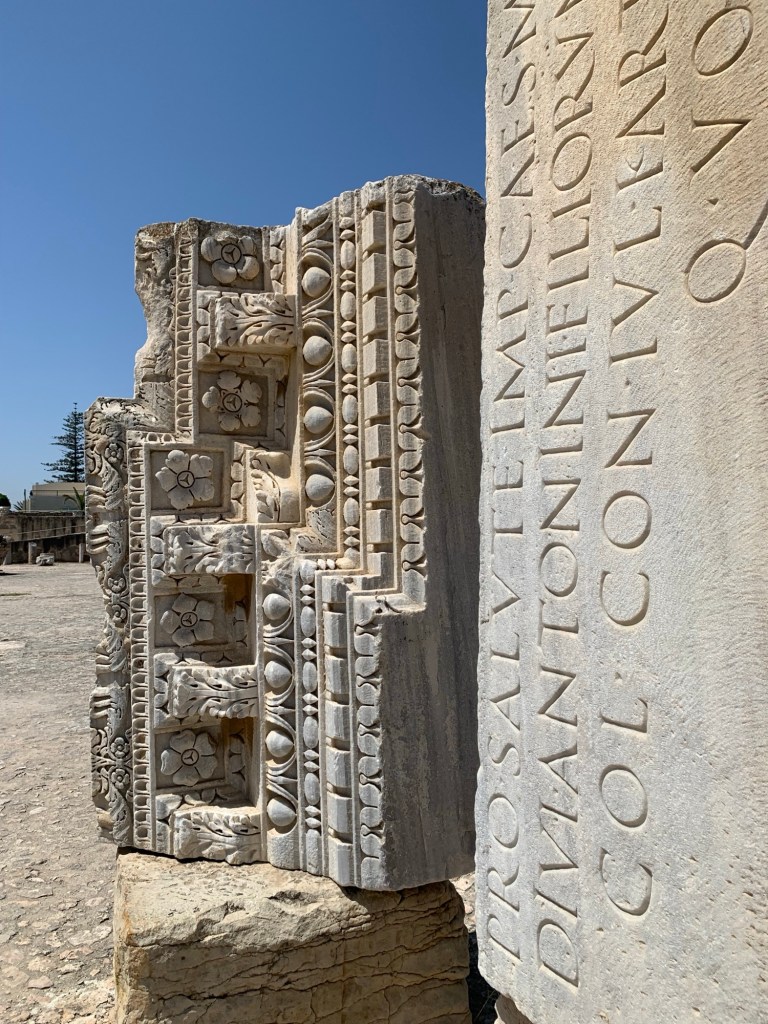
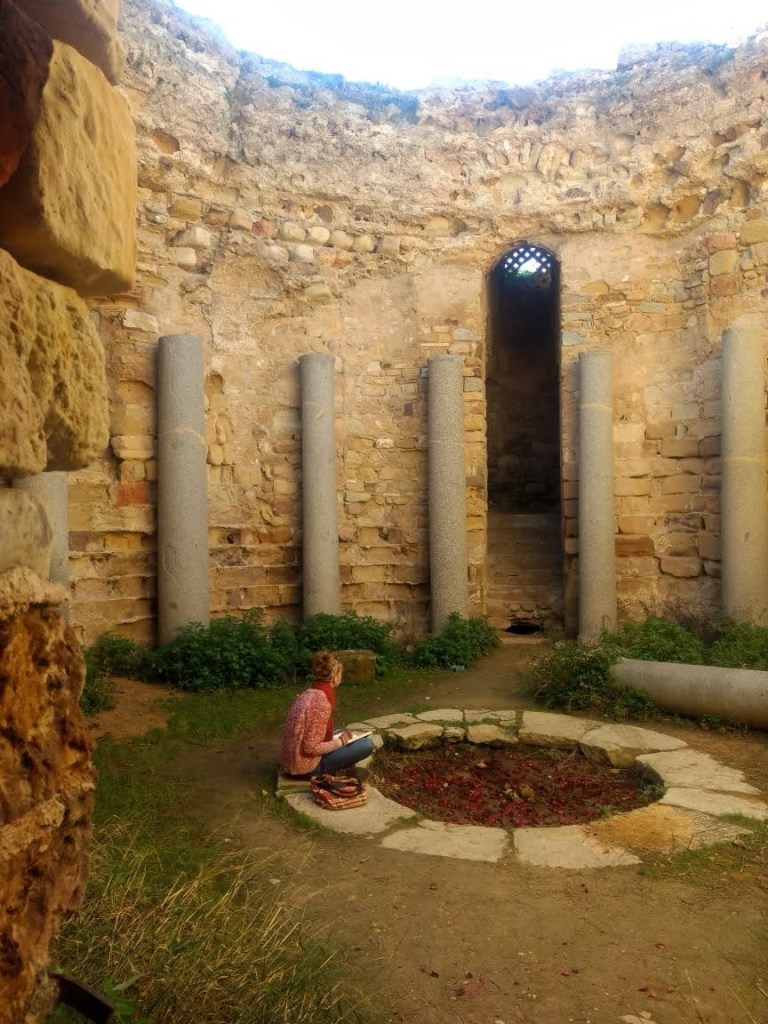
I asked my daughter the other day, “When was a time in your life when you felt most free?” She didn’t even hesitate with her answer. She said living in Tunisia, specifically exploring the ancient Roman ruins. We lived in the Carthage area, minutes away from UNESCO World Heritage sites. We would picnic at the Antonine Baths, hike the Roman Villas, stumble upon an ancient Byzantine Basilica, and drive by the crumbling aqueducts on a daily basis. At times, it felt magical. I knew what Penny meant. My kids may not have understood that they were standing on the ruins of Carthaginian General Hanibal’s home or walking along the historical Punic Ports, but even without knowing the history, you could feel the significance. My kids who were 5 and 8 years old at the time loved getting lost in the maze of arches, tunnels, columns, and statues. They loved climbing to the top of the amphitheater steps or performing on the vast stages. They loved finding chunks of marble with Roman writing engraved in the stone or intricate mosaics still laid into the ground. It feels a bit surreal to walk among places that people built 2,000 years ago. And the thing about Tunisia is that it’s a best kept secret. We’d go to these amazing wonders and find ourselves completely alone, not another tourist in sight. Compared to our experiences in Rome, waiting in long lines and shuffling through crowds at the Colosseum, our experiences in Tunisia felt peaceful and sacred.
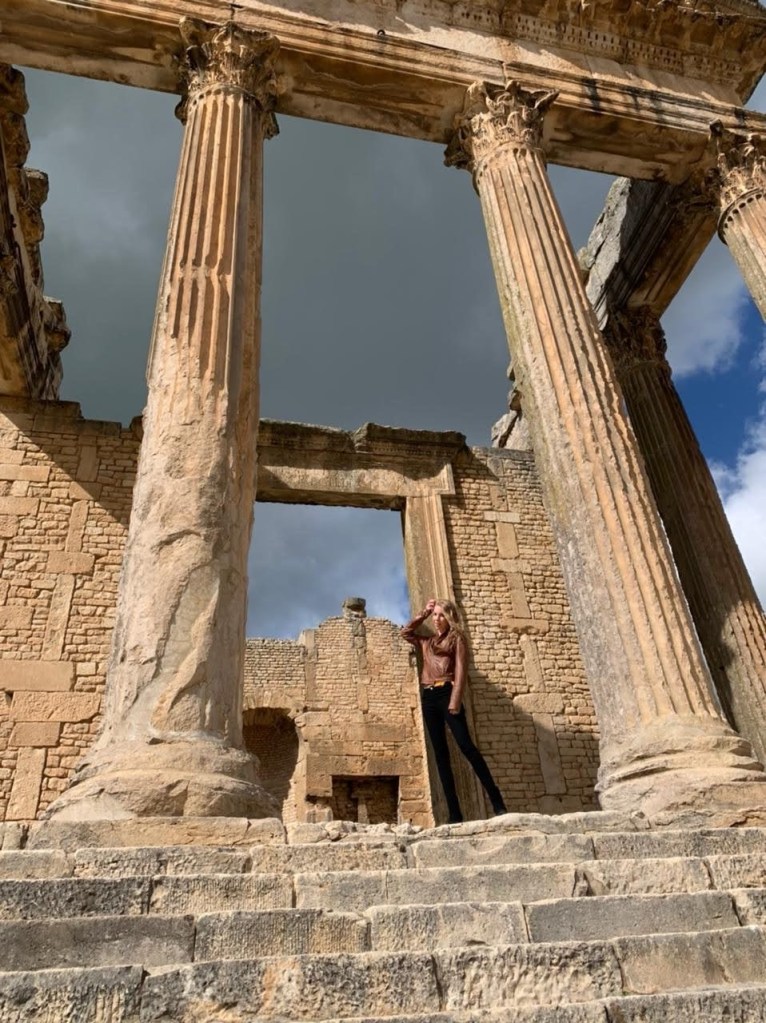
If you are interested in travel, Tunisia will always be my top recommendation. I suppose I’m biased because I had the luxury of 2 years there to explore and discover. Maybe if it was just a quick stop I wouldn’t have embraced it on the same level. It may not be the easiest place to navigate, but if you go prepared and with an open mind, I think you’ll find the beauty. With that in mind, I decided, after years away, I’d write a list of my personal favorite sites that we visited:
1. Dougga
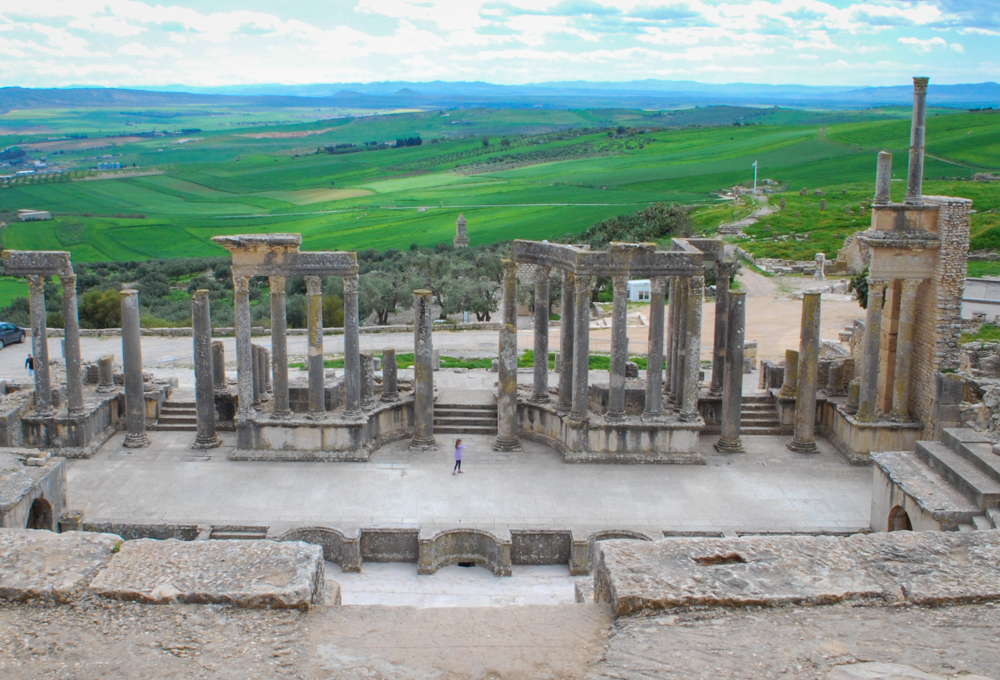
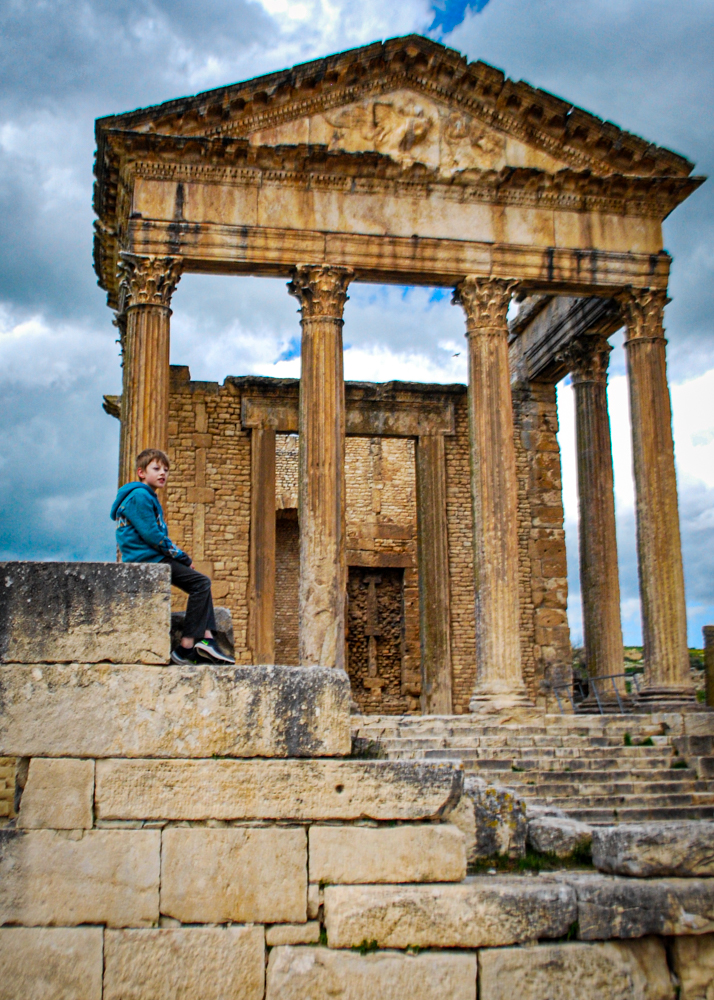
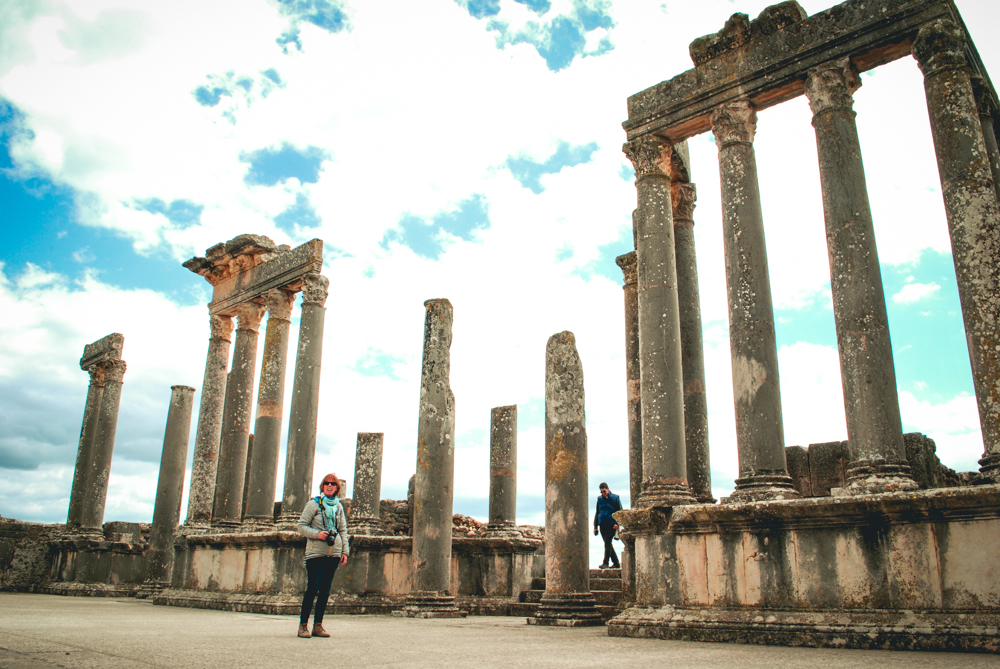
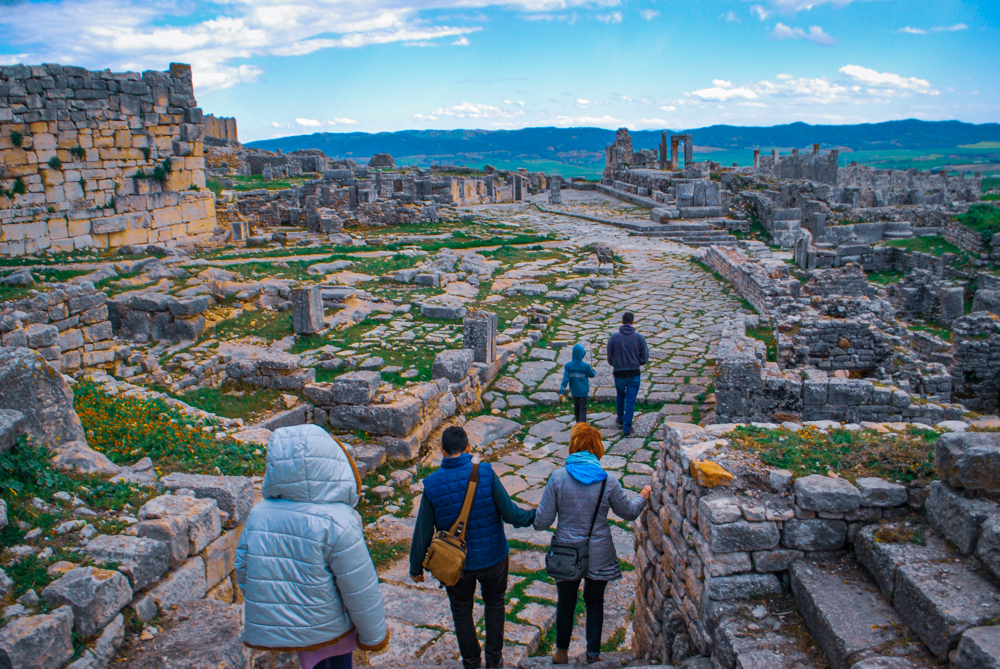
Dougga is farther away from the tourist areas of Sidi Bou Said, but so worth the trip. A similar feel to Pompeii because it’s like a small city of ruins with huge temples, an amphitheater, roads, olive trees, and sometimes grazing sheep.
2. Antonine Baths
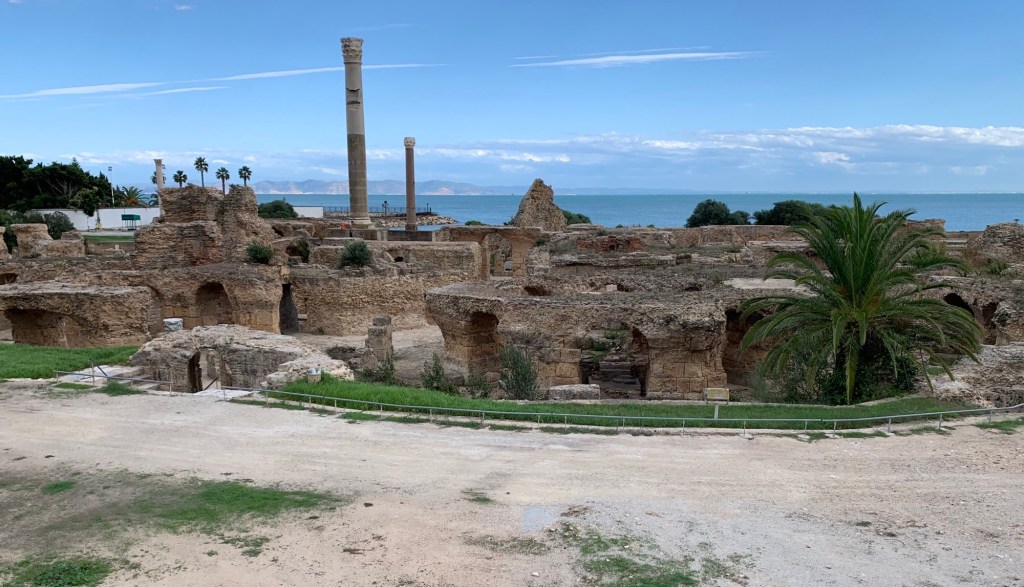
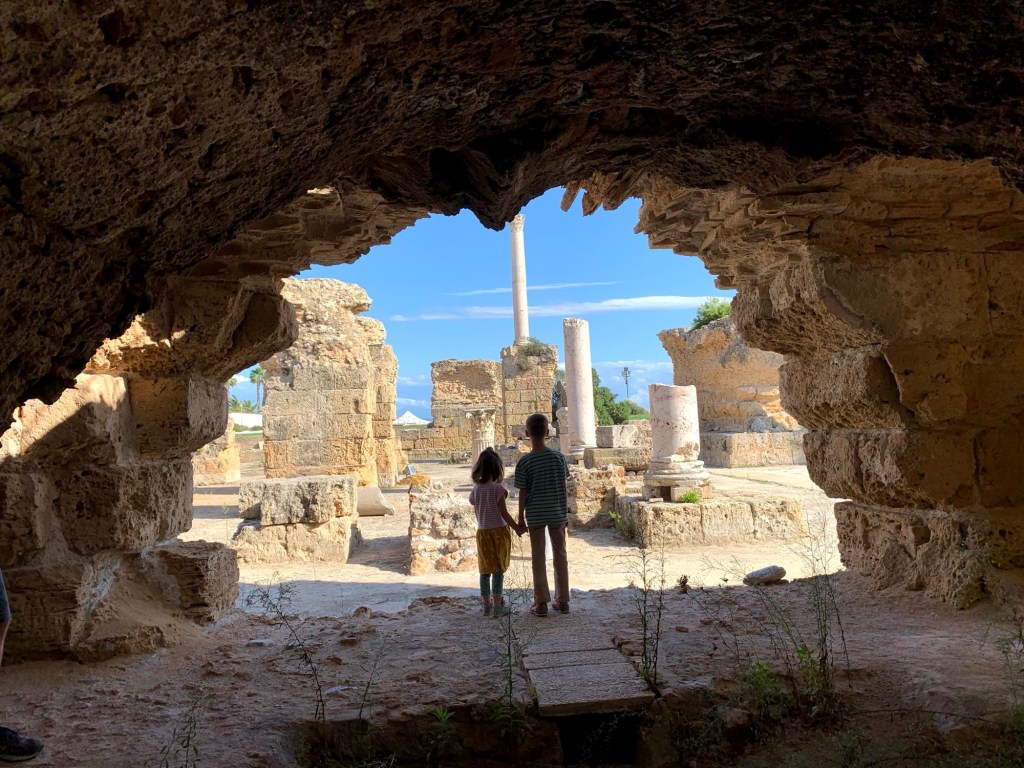
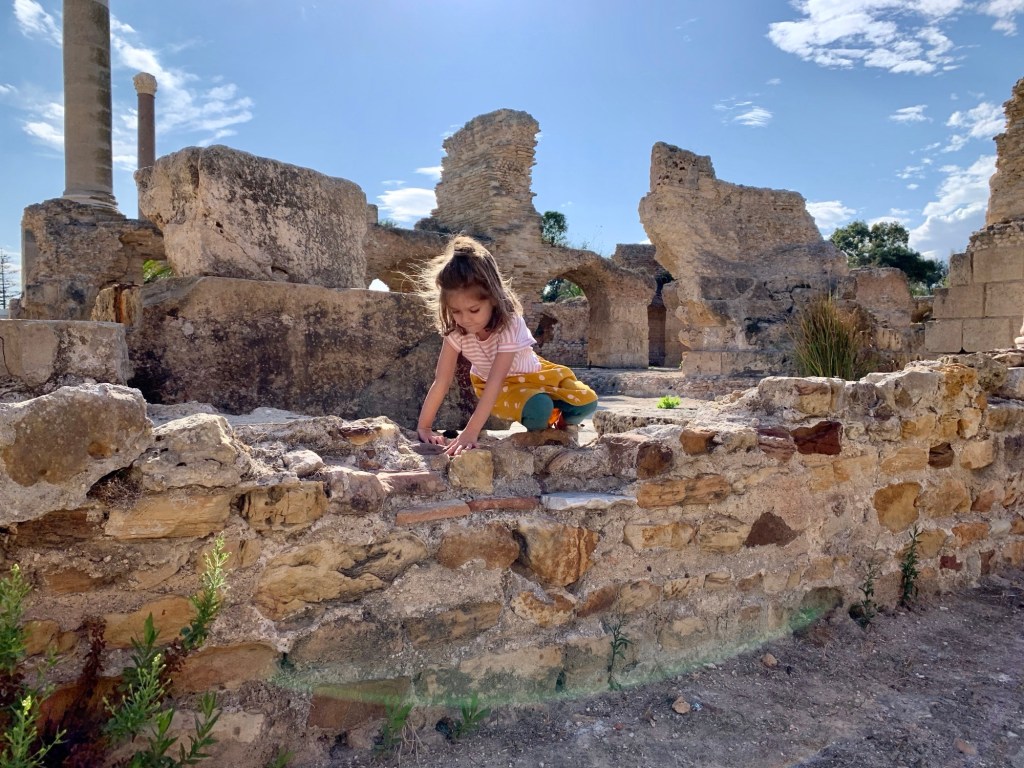
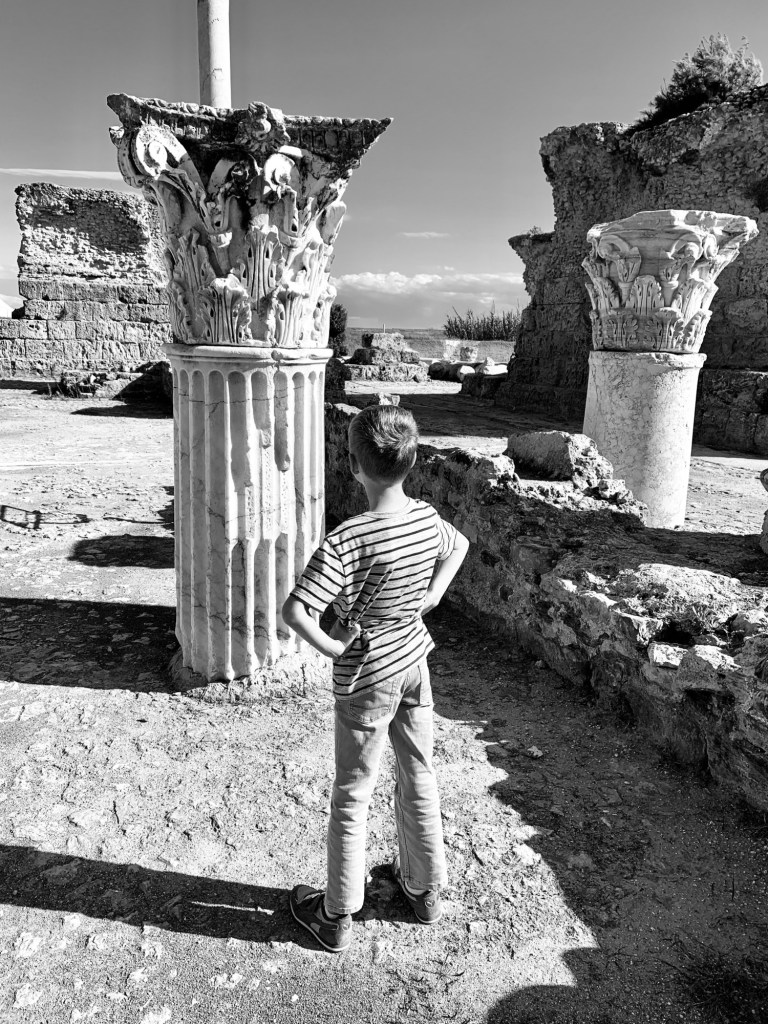
This was a place we frequented many times as it was just a few minutes from our house. It’s a smaller site, but has a gorgeous view of the sea and many picturesque architectural elements.
3. El Jem Colosseum
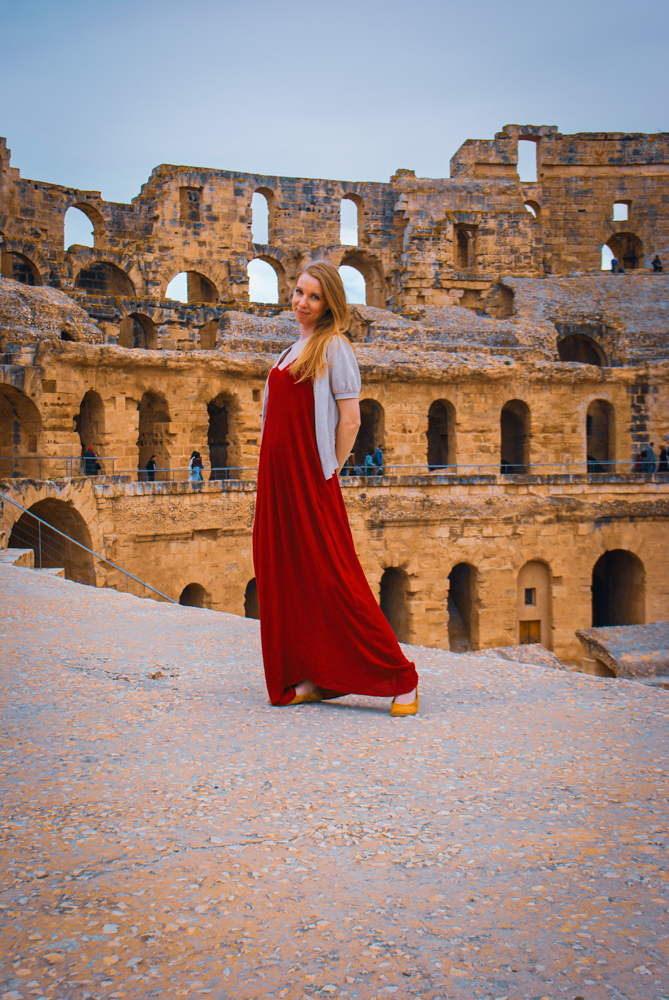
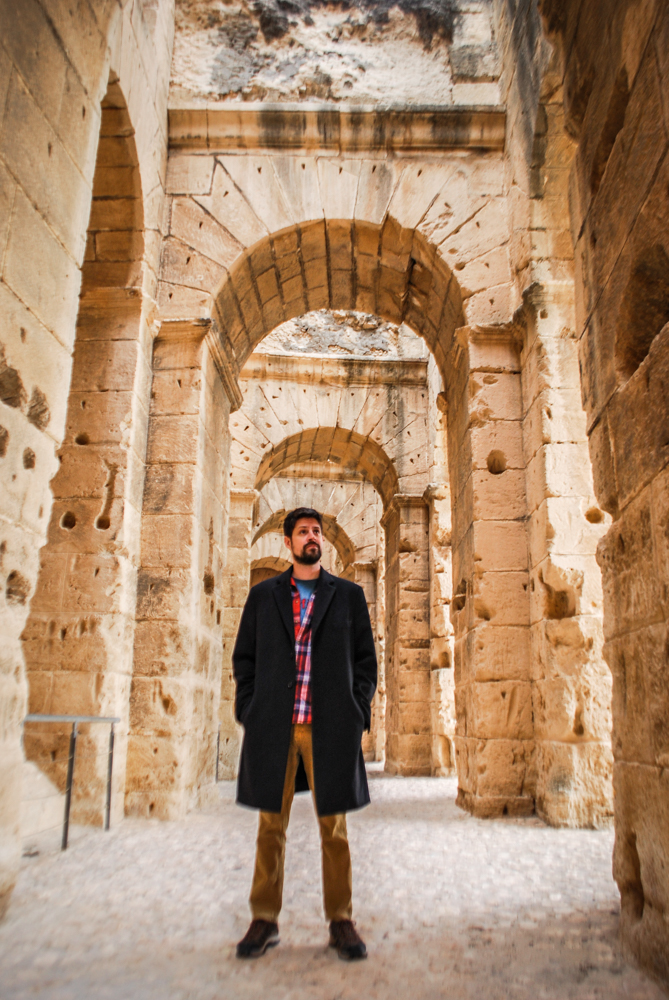
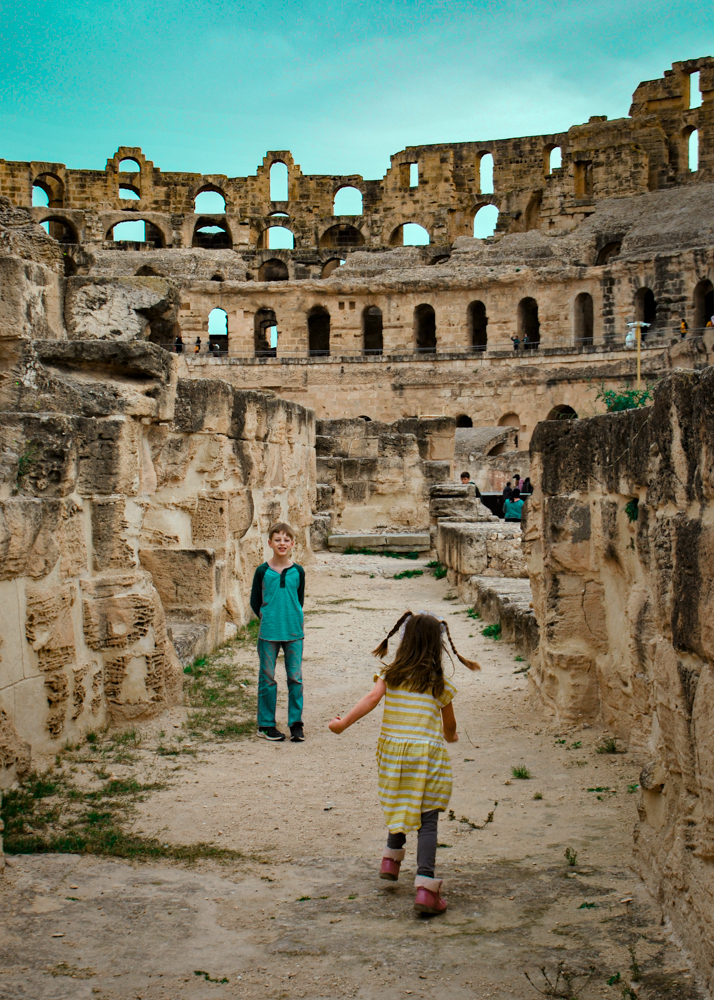
El Jem rivals the famous Roman Colosseum. It’s a bit smaller but better preserved and less crowded.
4. Uthina (Oudna)
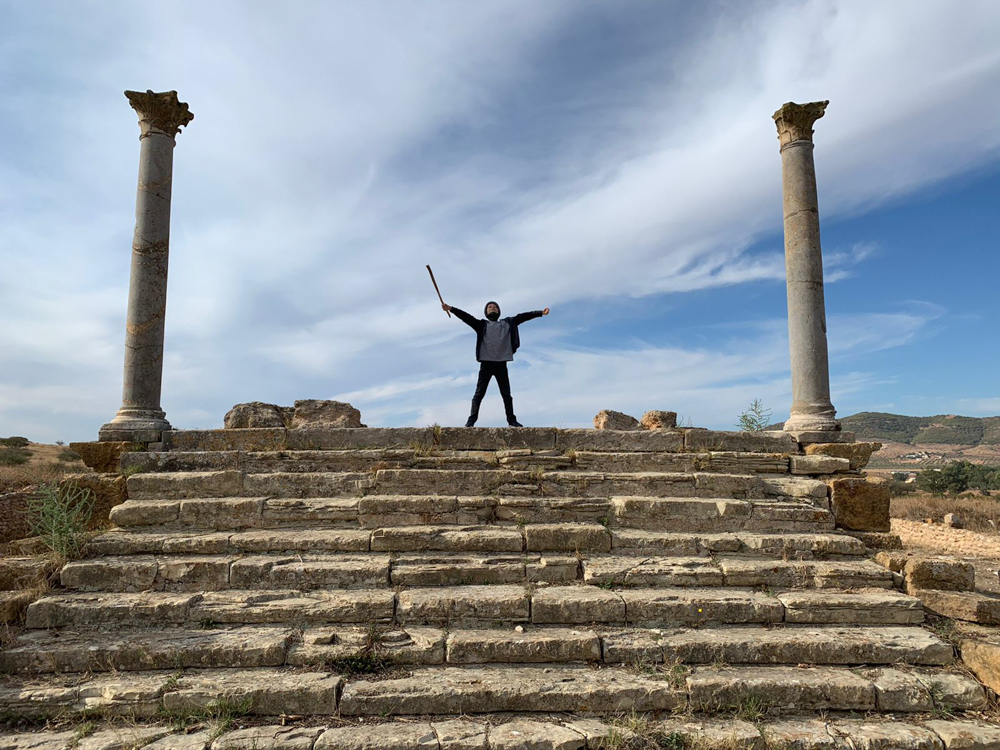
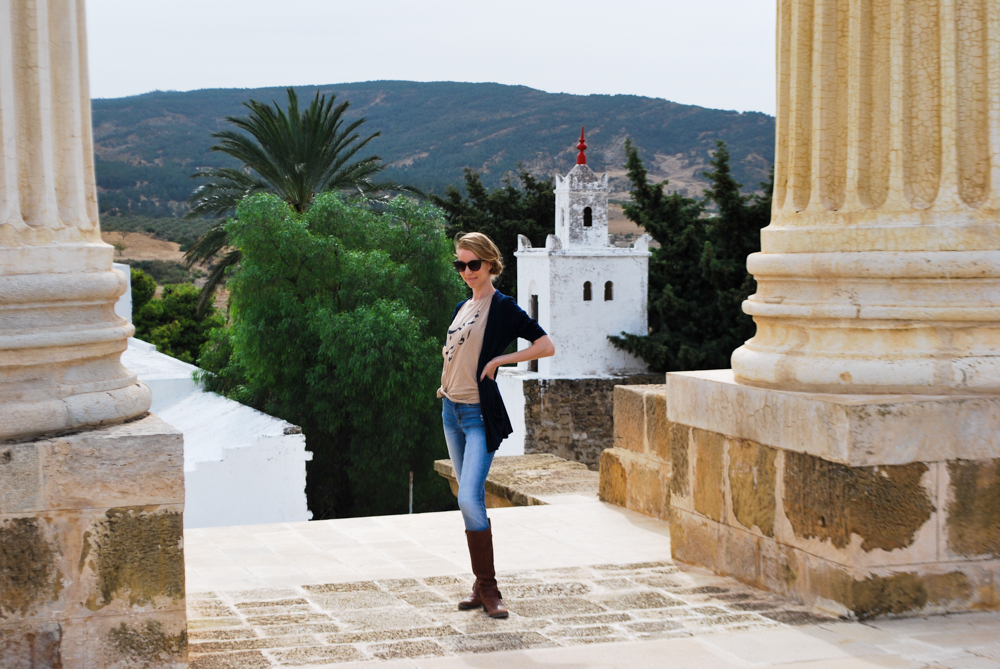
Uthina is one of the Roman Empire’s oldest cities in Africa. It includes an amphitheater, huge columns, vaulted chambers, baths, and intact mosaics.
5. Odeon Roman Villas
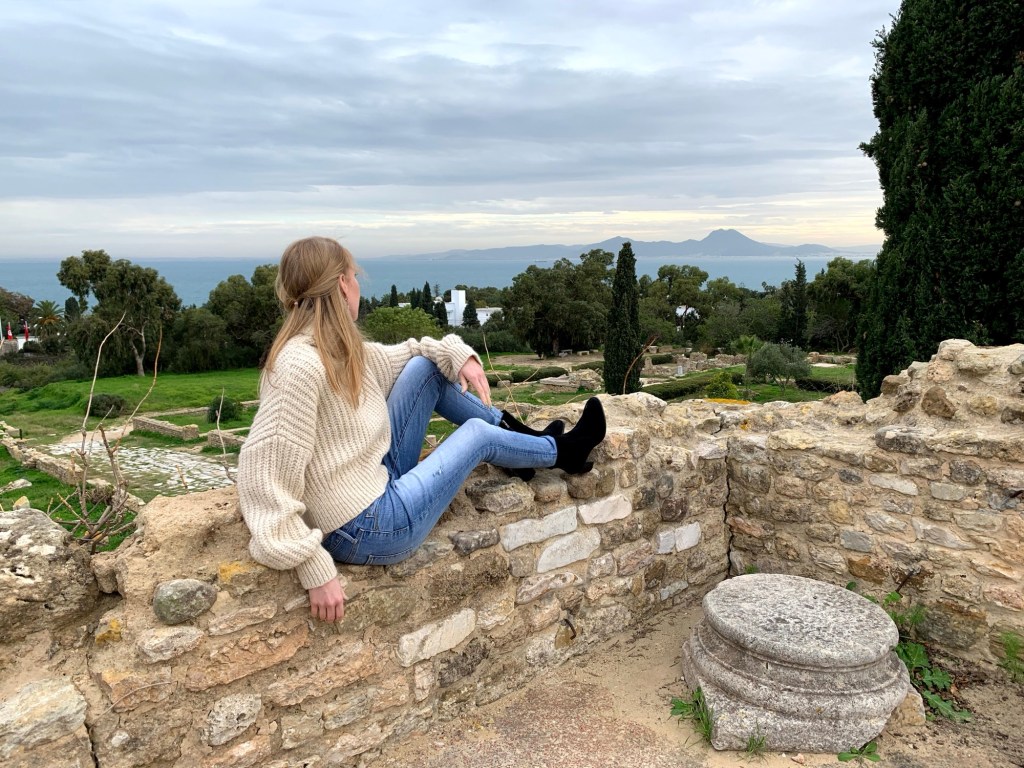
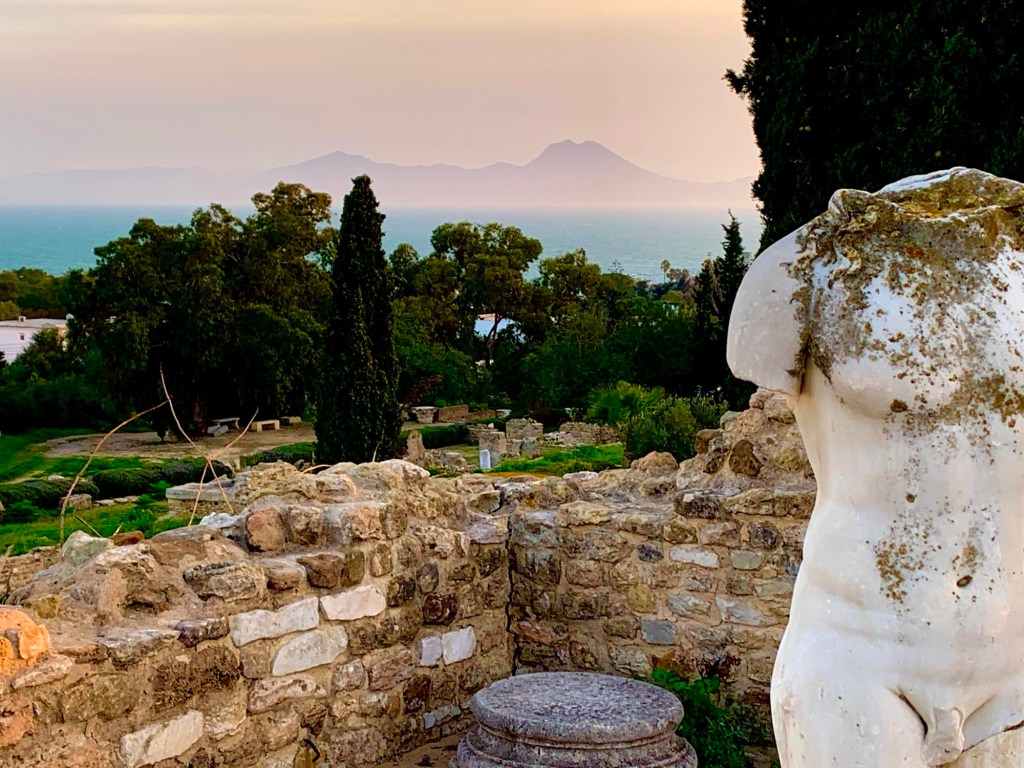
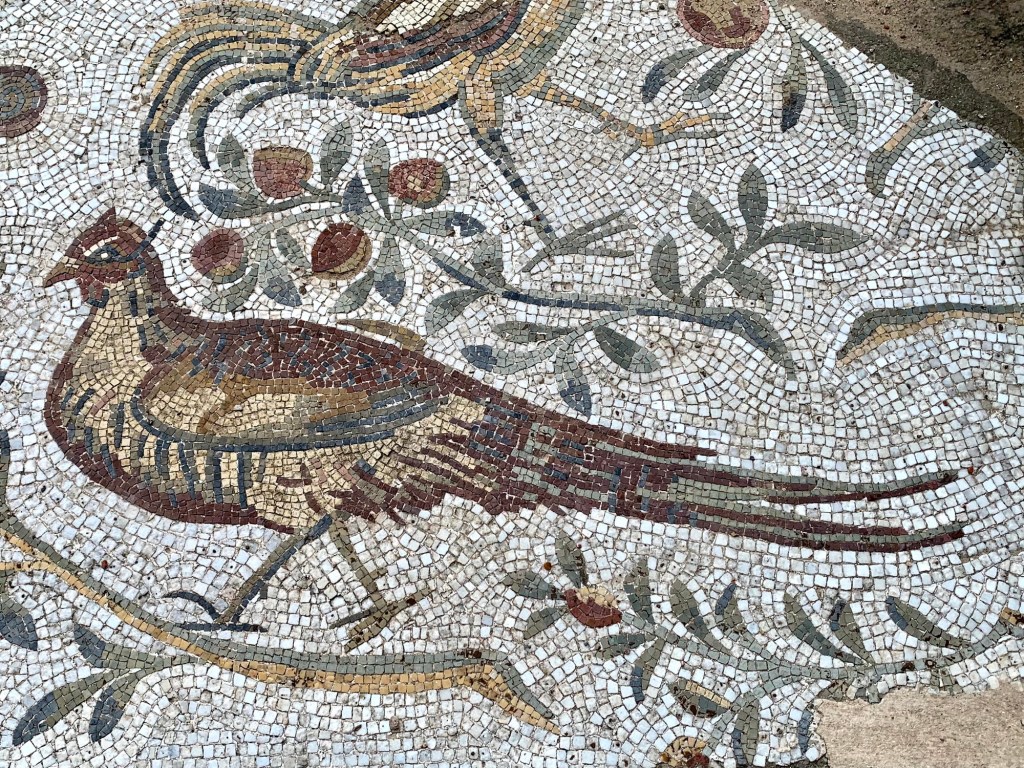
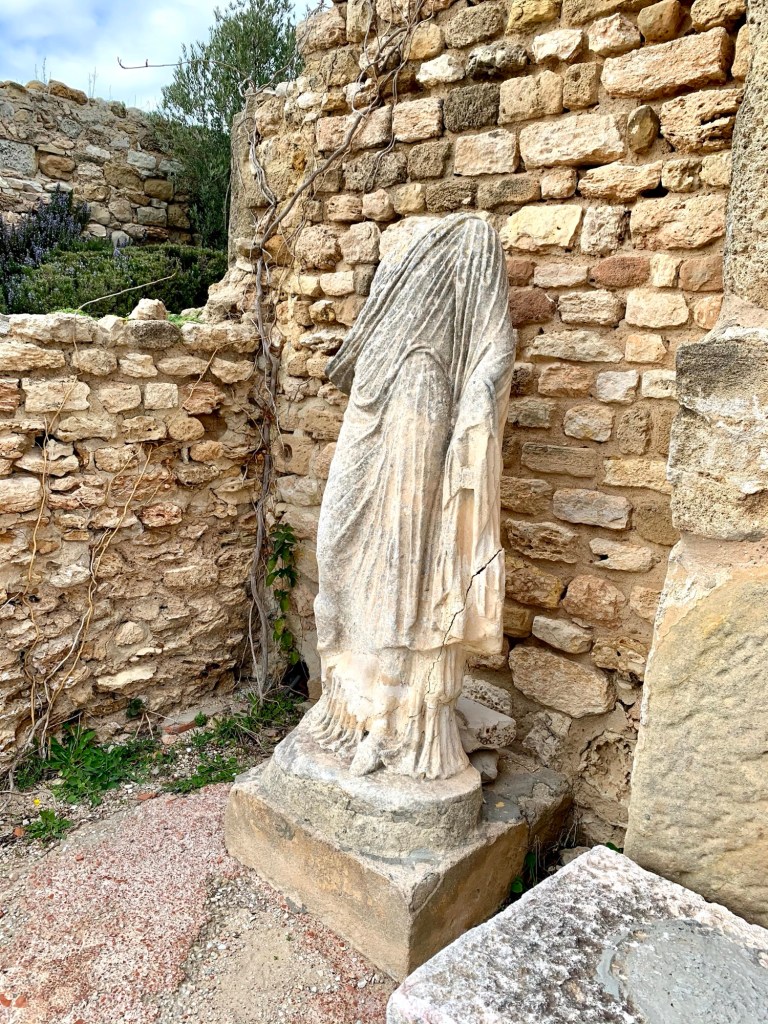
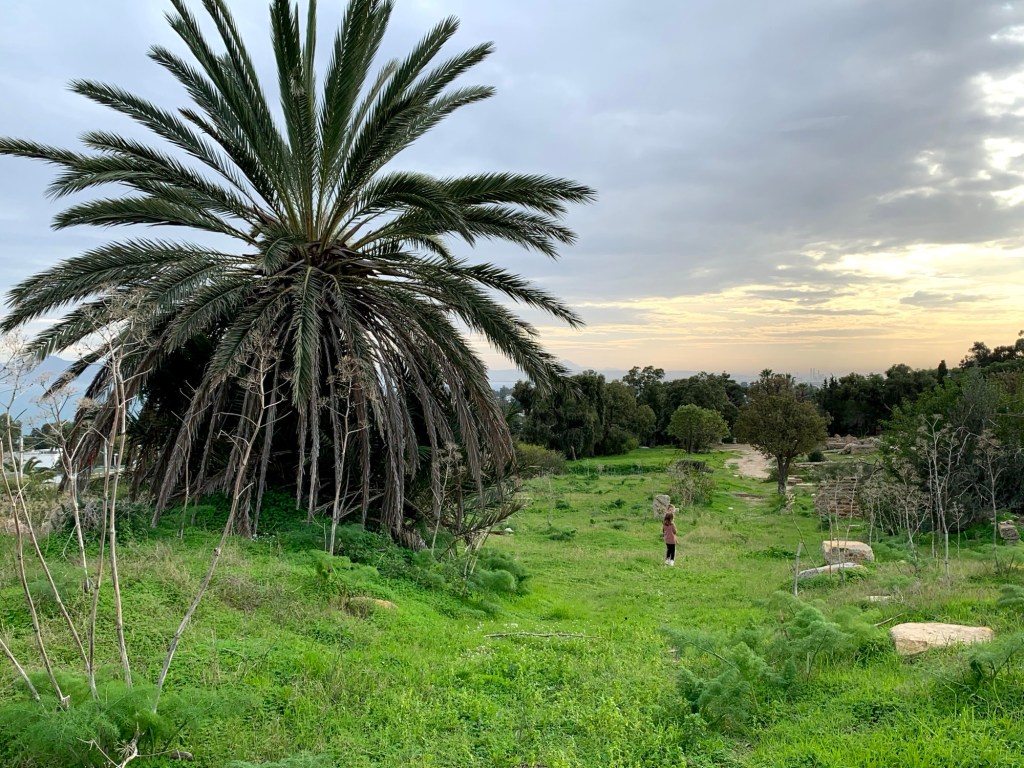
This is another near-by spot we liked to visit in Carthage. You climb multiple levels of ruins and as you climb the views get better and better. This smaller site hosts statues, intricate mosaics, and beautiful plant life.
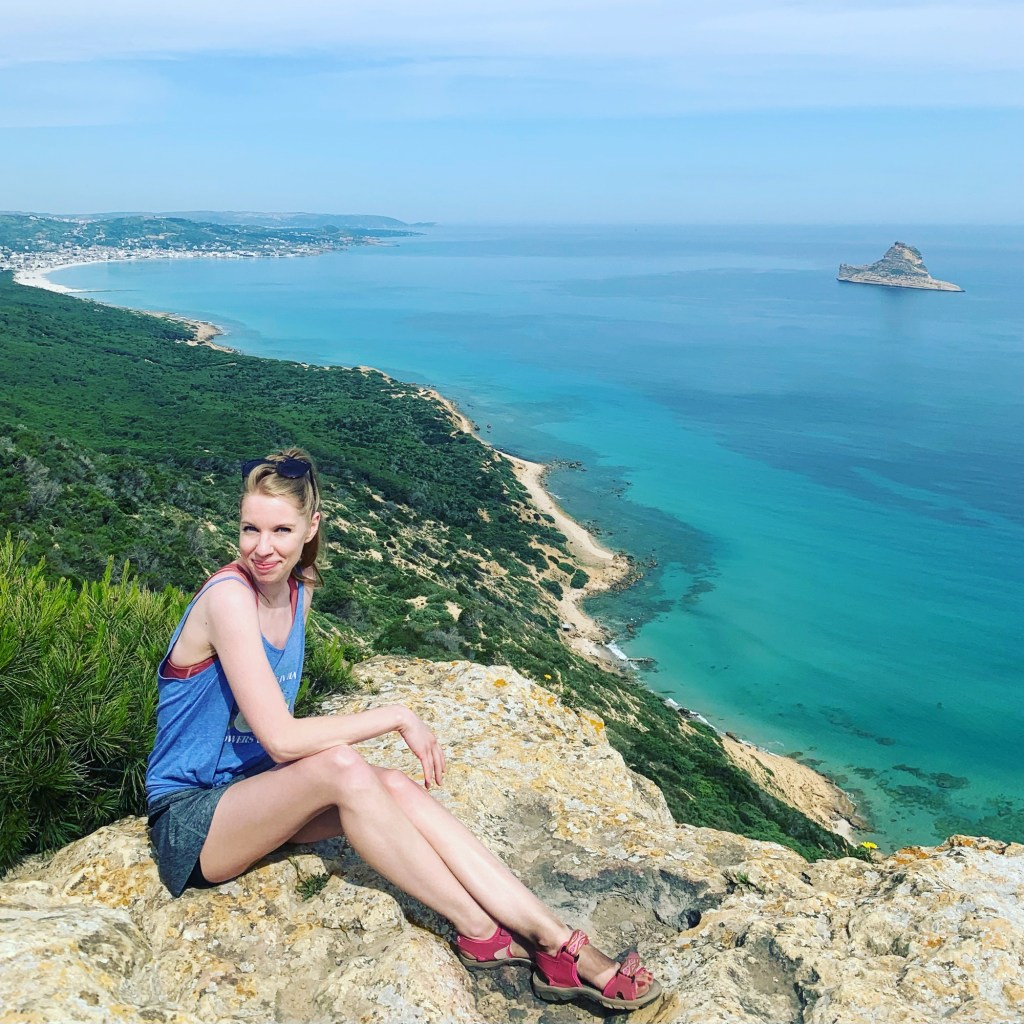
Of course, the lack of tourism is a double-edged sword. Many of the locals depend on tourism for income, and especially during the pandemic, you could feel the desperation. Tunisia just isn’t on many people’s radar. It wasn’t on mine until I was hired there. I had no idea it existed, but its beauty rivals Santorini, the Amalfi Coast, Rome, and the Caribbean. Some of the views are take-your-breath-away-unreal, without the high prices and swarms of tourists. It feels untouched. However, it’s also harder to navigate than more touristy places. A lot of our discoveries happened through word-of-mouth or accident. There’s no slick website to tell you the best shops, restaurants, and archeological sites. Many stores don’t even have signs. Some of the coolest places are down little alleyways with no parking and nothing else around them. When my mom and her husband visited us, it was extremely helpful to have a guide for them; someone who spoke the language, knew where to go, and could manage the driving and parking. But for anyone venturing to the La Marsa/ Carthage area without a guide, some shops to check out are:
- Lyoum (Tunisian clothing brand/store)
- Herboristerie: Green Land (herbal shop with tea, lotions, oils, etc.)
- Supersouk (a gift shop with only Tunisian artisans that sells decor, food, jewelry, etc.)
- XYZ Concept Store (a gift shop in La Marsa)
- Rock the Kasbah (a boutique in SidiBou Said with decor, furniture, dinnerware, etc.)
- Aly C Gallery (an art gallery in Sidi Bou Said)
- Edokken (a gift shop in our old neighborhood with pottery, textiles, jewelry, etc.)
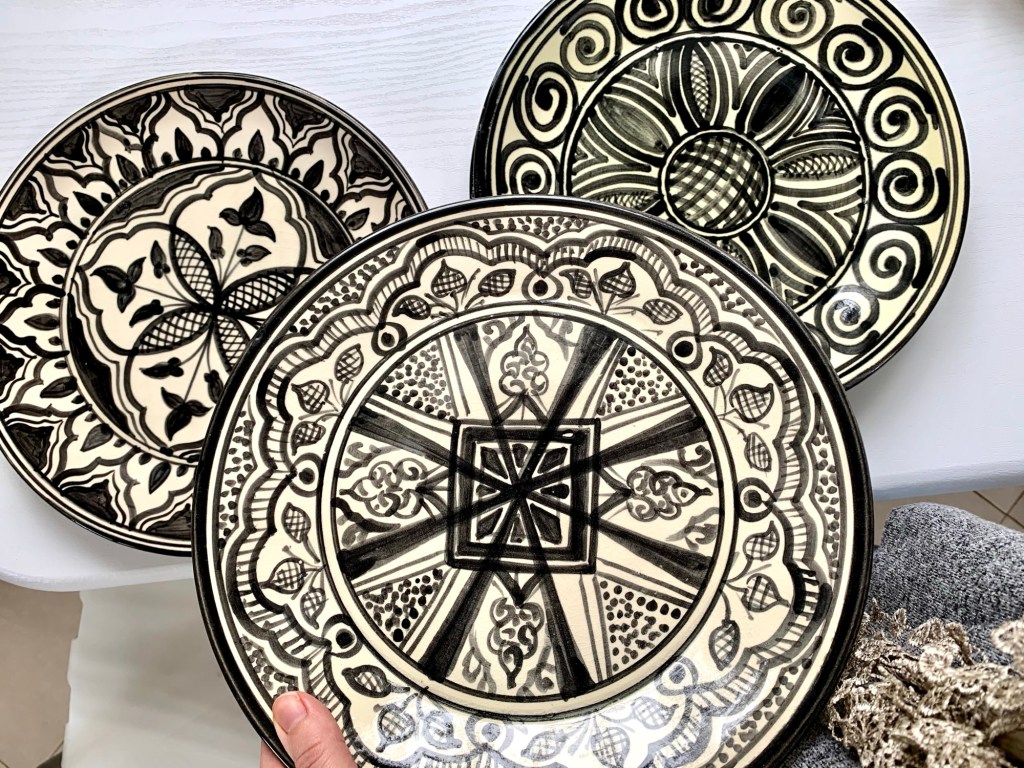
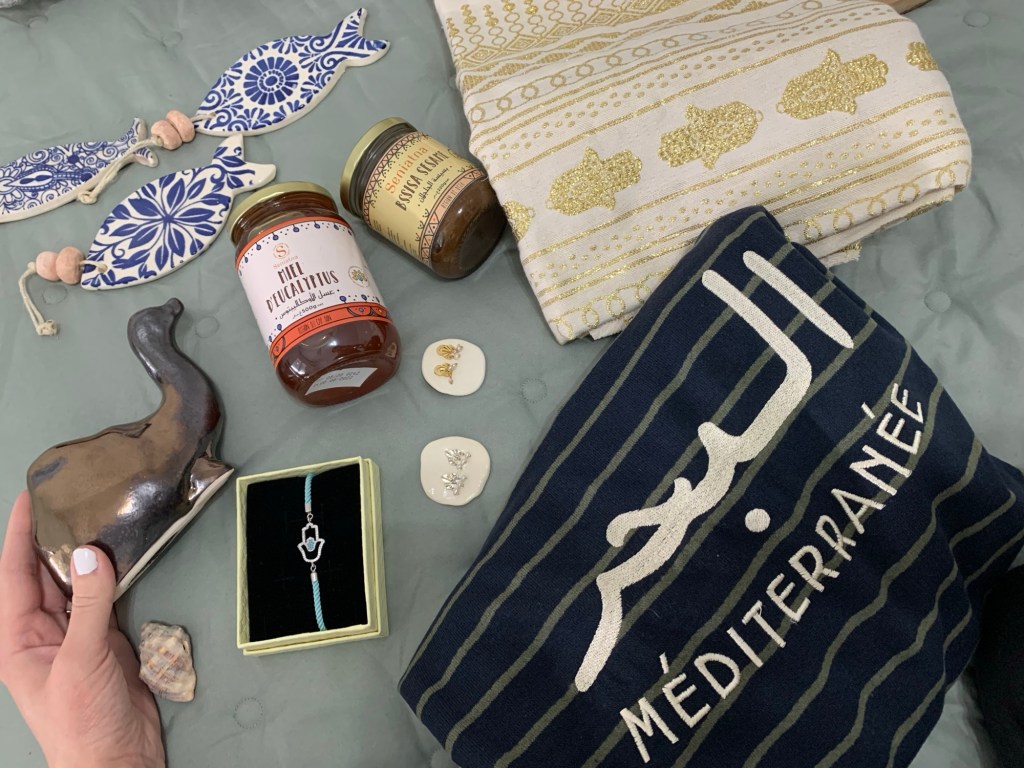
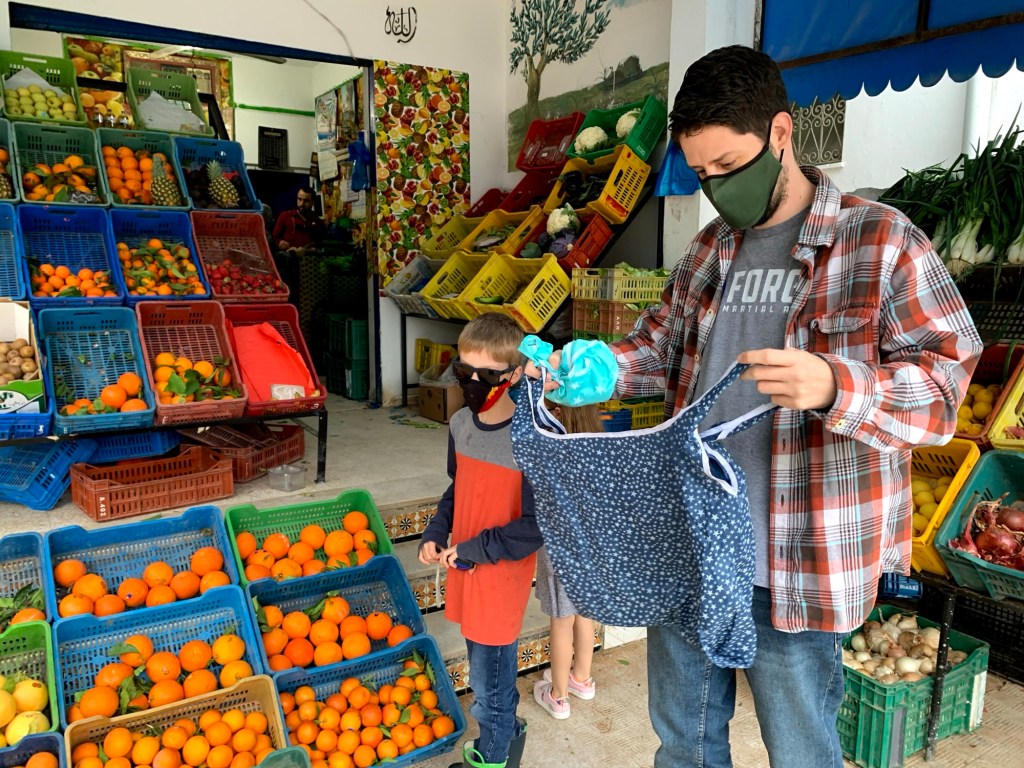
There are a few others I can picture, but even after an extensive Google Search, I can’t seem to find them and even when I lived there, I didn’t know their names. It was just “that shop in La Marsa above the produce market.” And I should add, there is the possibility that some of these places no longer exist. I was there years ago.
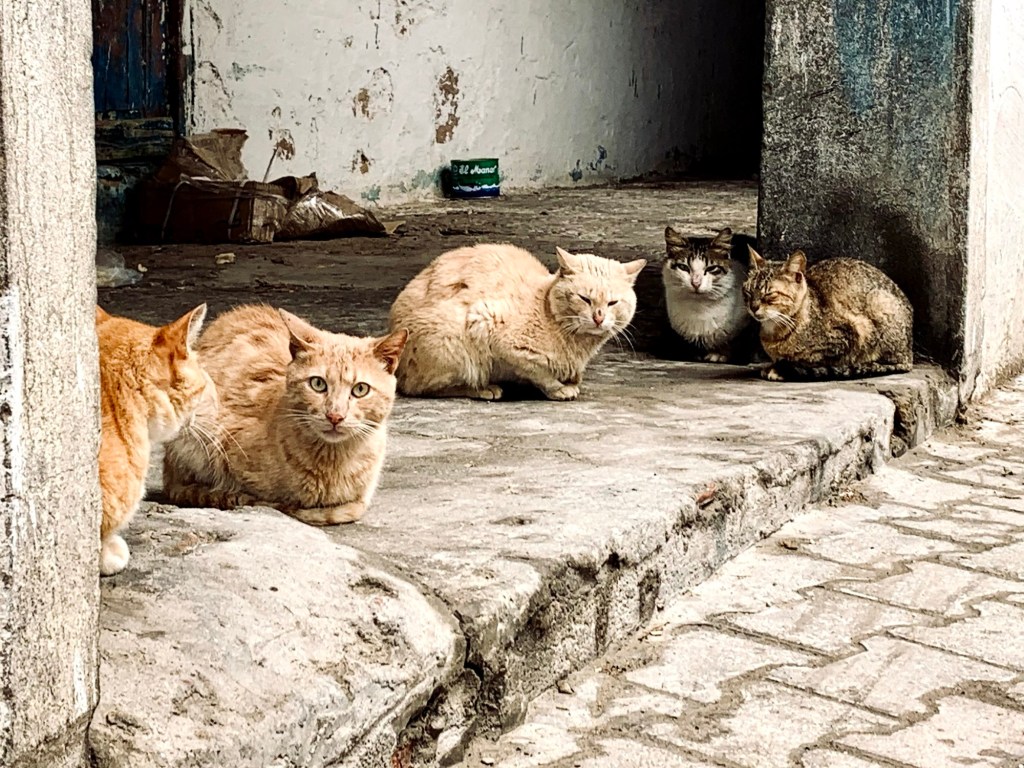
The other thing that’s part of the experience but maybe doesn’t come across in photos is the “grittiness” for lack of a better word. Tunis is gorgeous and full of character, but you are going to see trash on the street, stray cats and dogs with battle scars and fleas, butcher shops with camel, cow and sheep heads hanging in the windows, and you are going to have to navigate through wild drivers who honk, don’t drive in one lane and don’t pause at stop signs. We adjusted to these differences because we lived there for two years, but perhaps if it were just a vacation spot, I would have been more taken-aback.
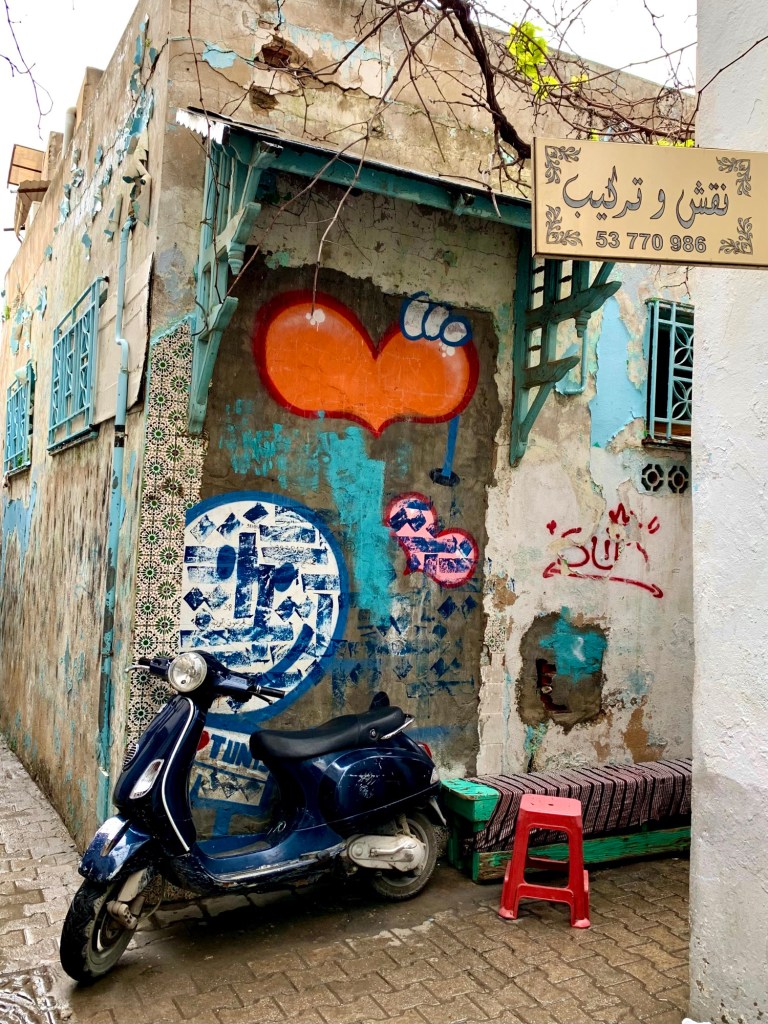
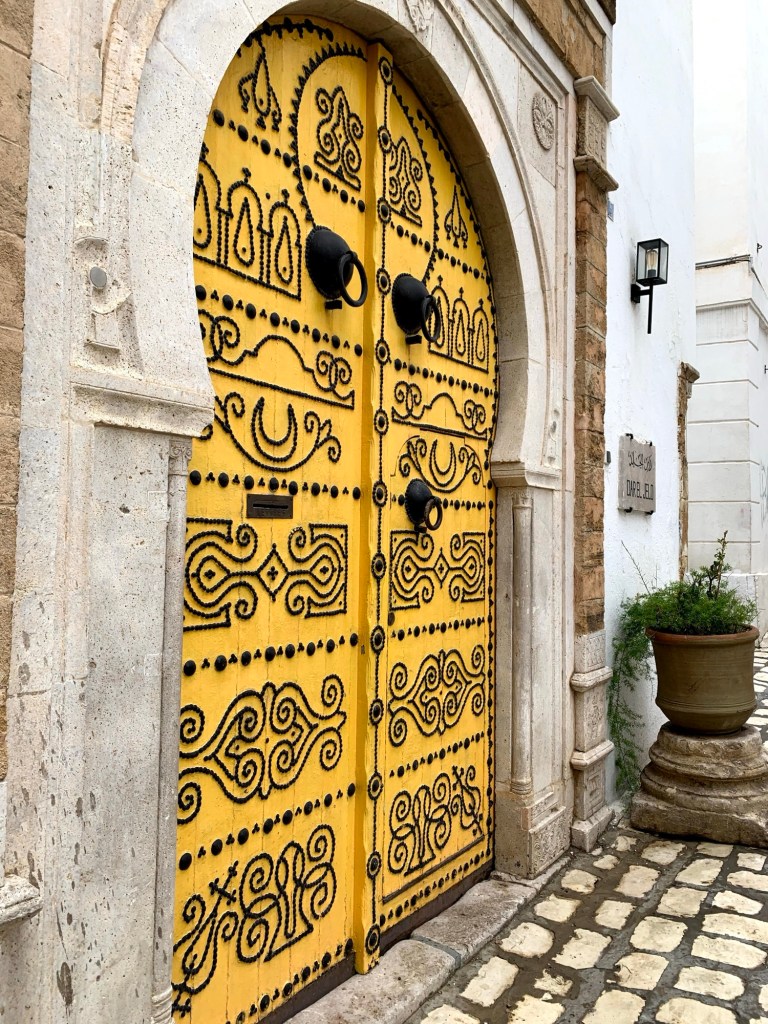
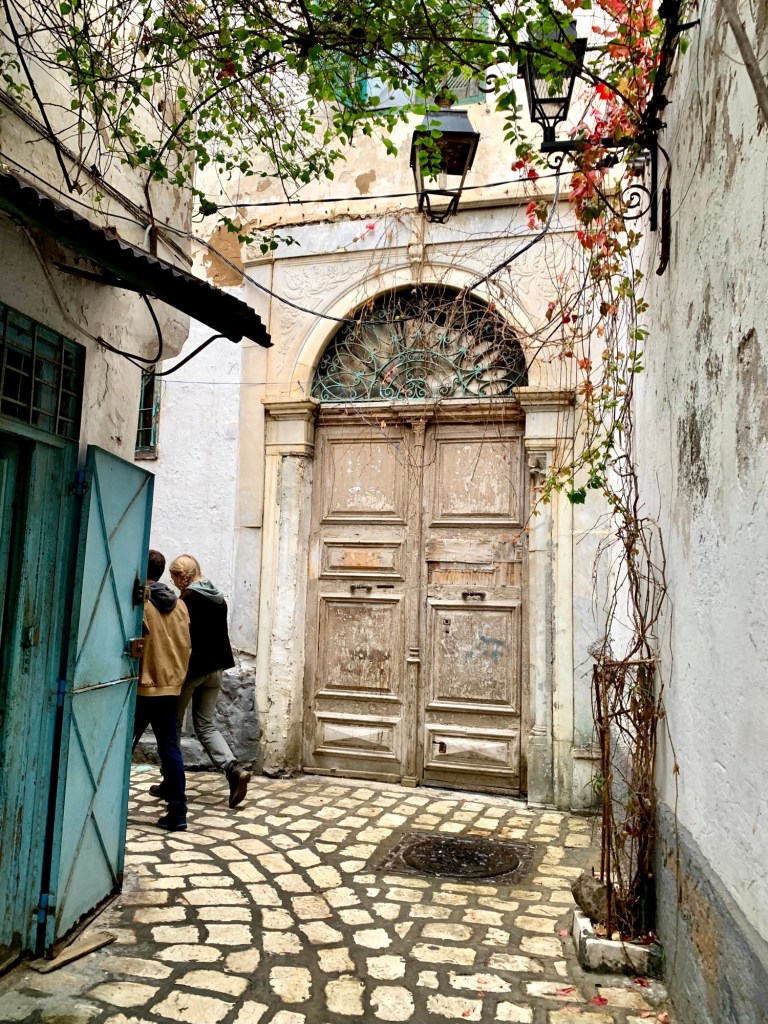
But adjust we did, and I know this because of the reverse culture shock coming back to America. The manicured lawns, cookie-cutter houses, people obeying traffic signs, stores clearly labeled in neat rows, and the hundreds of options of shampoo or chips on store shelves seemed odd all of a sudden. Too clean. Too commercial. But we adjust to our environments quickly. I was right back to Target runs and Amazon packages on my doorstep. Both times I’ve lived overseas, I didn’t miss the American-consumerism. I spent less money and felt a freedom from the pressure to buy. However, both times I moved back home, it returned. I try to resist, but whatever forces are at play here: the marketing, the convenience, the habit, the dopamine hit, I’m right back to it.
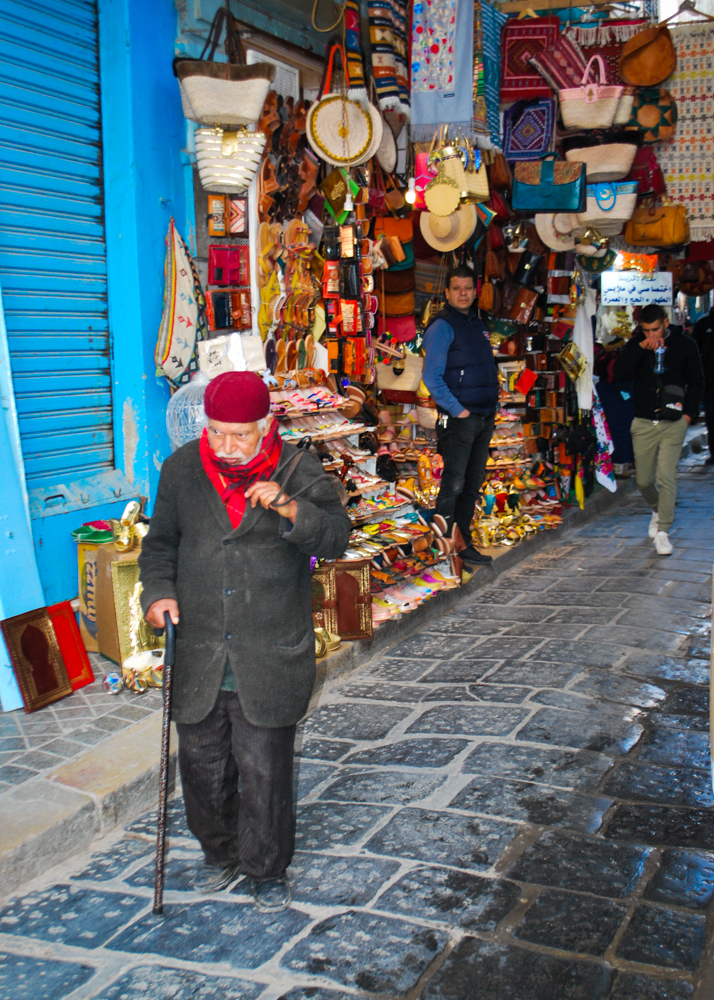
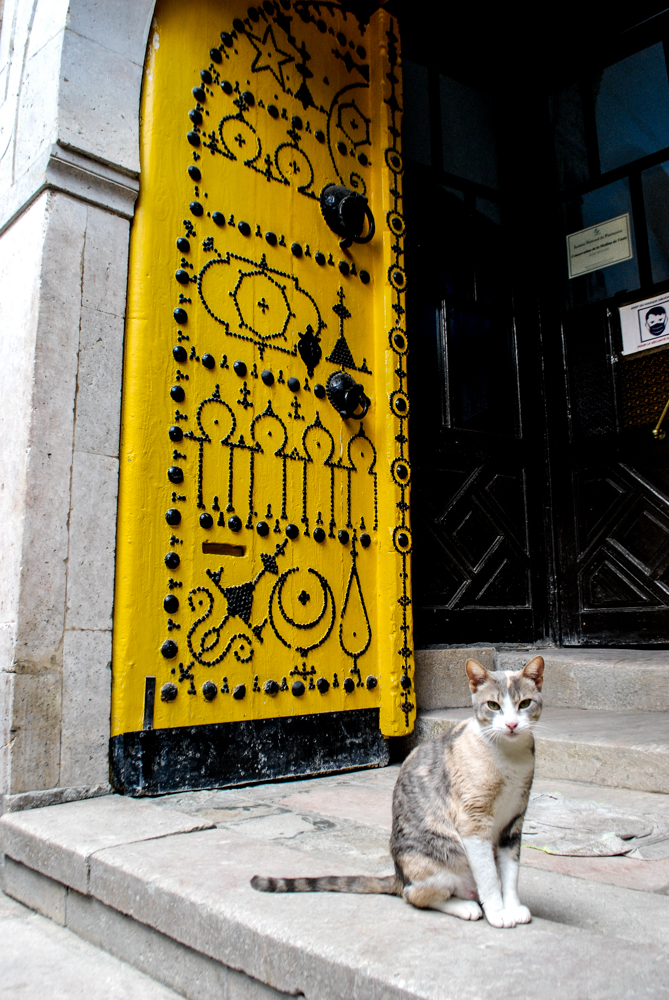
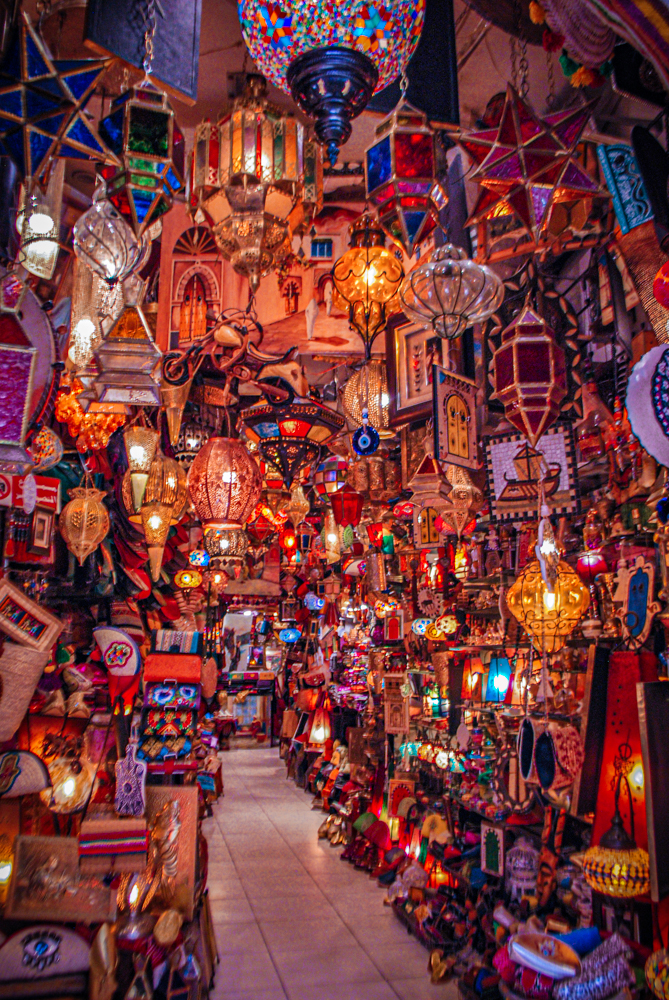
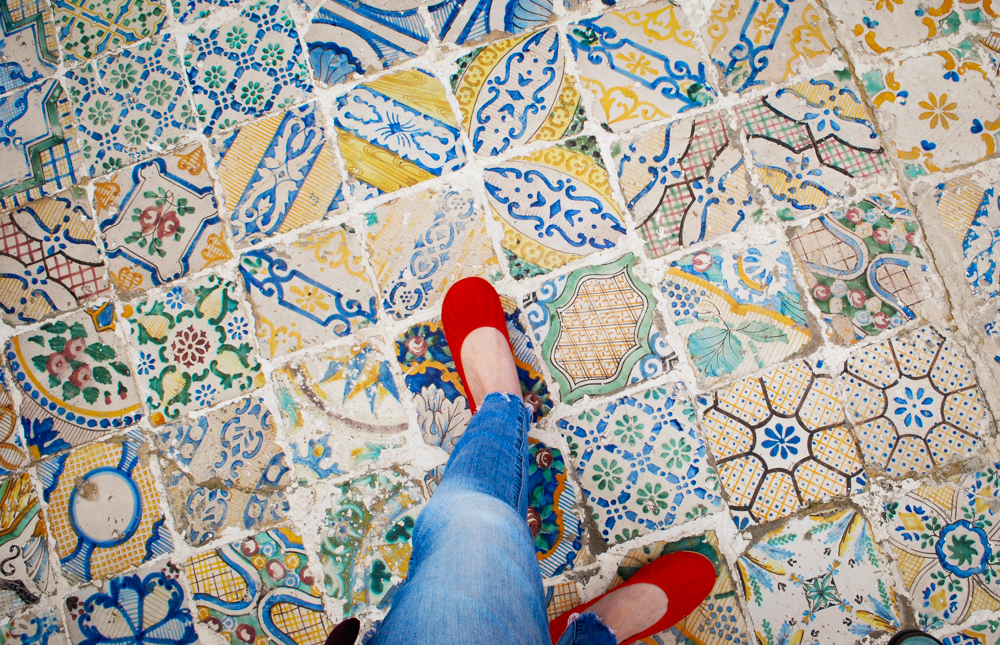
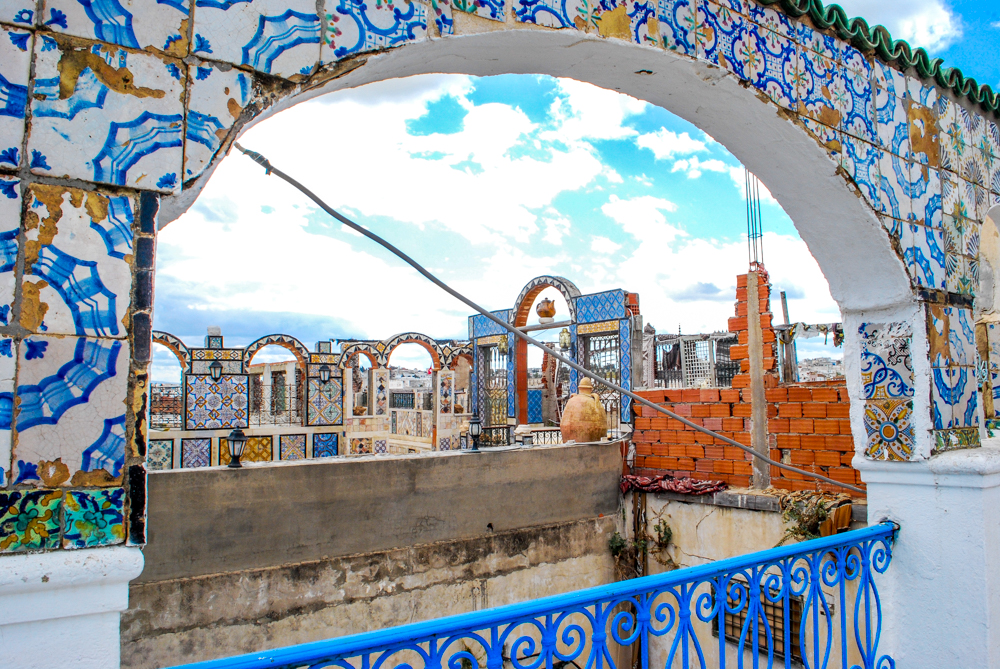
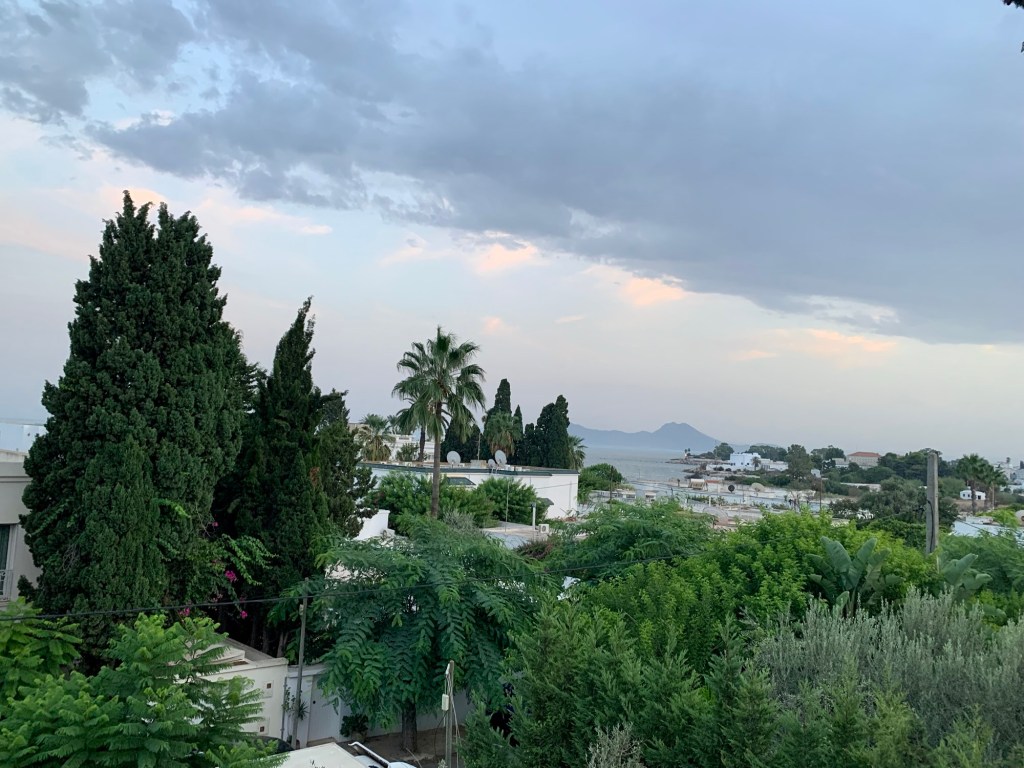
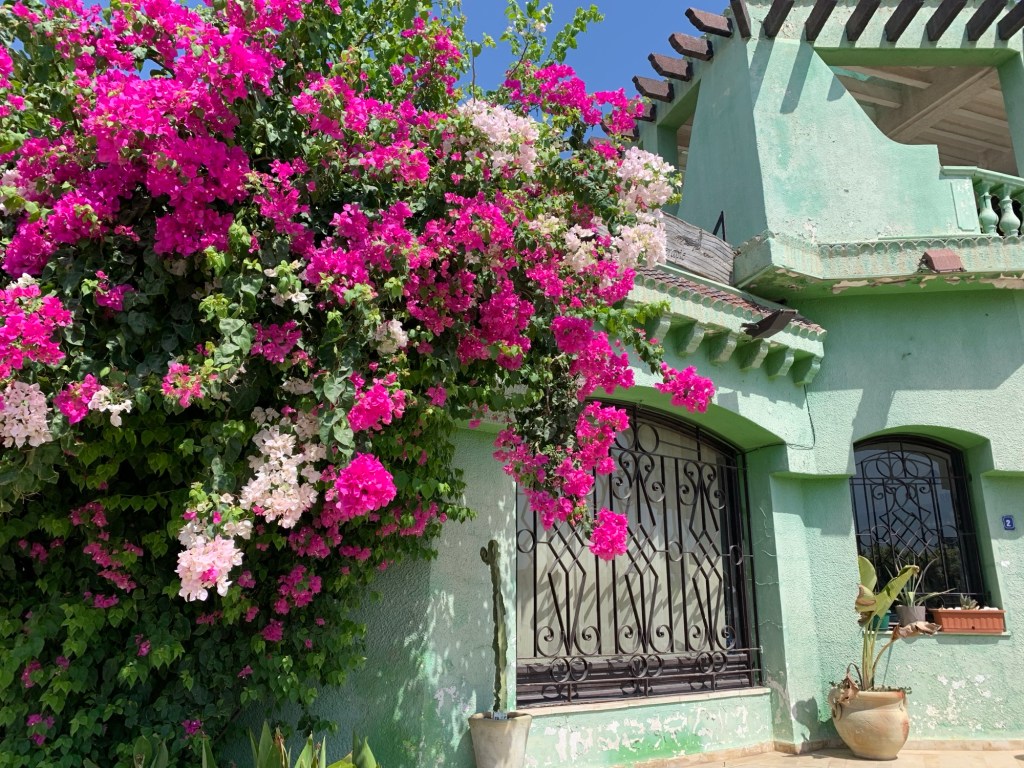
Don’t get me wrong- I’m happy where I am, back in Kansas. I don’t feel the need to move abroad right now. I want roots, consistency, and relationships. But man, am I glad I took that leap to Tunisia years ago. It was a lesson in appreciating the little things. When I discovered a shop that sold chocolate chips or American cereal, it was like winning the lottery. You share that information with other expats and they are equally as excited. It was a lesson in discomfort- not knowing the language or customs or where to get things, but you work through it with the help of your new support system. It was a reminder of the beauty of diversity- teaching kids from all over the world, learning about different religions, customs, food, and history. And boy I miss the gorgeous weather, the bougainvillea flowers always in bloom, the smell of fruit trees in our backyard, the neighborhood cats, collecting sea glass on the beach, and journaling in ancient temples. Maybe I’m looking back with rose-colored glasses, but I’m okay with that. It’s a short period in my life that I will be forever grateful for. As Penny put it, it was freedom.
General Note: We lived in Cite Les Pins, near La Marsa, Carthage, and Sidi Bou Said. This area would be a great jumping off point for travel in Tunis.
 Goodbye Yellow Brick Road