It’s now January, halfway through the school year, and we’re in a groove. I’ve gotten to know the curriculum materials, the students, and my coworkers. Overall, I’m feeling good. I enjoy going to work. I enjoy my class and my school. I also feel like I’ve found a good work-life balance, which historically has been a struggle for me. I’m one of the first ones in the building each morning, but I also leave on-time at the end of each day and can switch my focus to family and friends pretty easily. I think my life experiences, in and out of teaching, have led me to a place where I’m currently the teacher I’ve always wanted to be. I feel creative and confident in this role. I can relax and enjoy the kids, and I feel gratitude for my job. I had 3 years off to gain perspective and see that the grass wasn’t necessarily greener on the other side. I’m happy to be back and I think I landed in a place that suits me.
But it didn’t always feel that way. I’ve been a burnt-out teacher. I’ve been in a place where I dreaded going to work. It’s interesting to think back and compare. Why is it feeling healthier and happier than it used to? Is it because I took time off? Is it because I’m more mature now? Is it because I’m at a school that reflects my values? Honestly, I’m not sure, but the stars seemed to have aligned and I’m grateful. Some combination of experiences- babysitter, dance teacher, classroom teacher, art teacher, public school, International school, DODEA school, para, substitute, mom, barista, former theatre kid, traveler/expat, and student- have created the teacher I am today. My philosophies have evolved. I’ve seen education initiatives come and go. I’ve worked with inspiring people. I’ve tried many curriculums and strategies, and currently, it’s all meshing together into something that feels intentional, joyful, healthy, and just right. I’m not saying the job is perfect and I’m certainly not perfect, but I think I’ve come a long way.
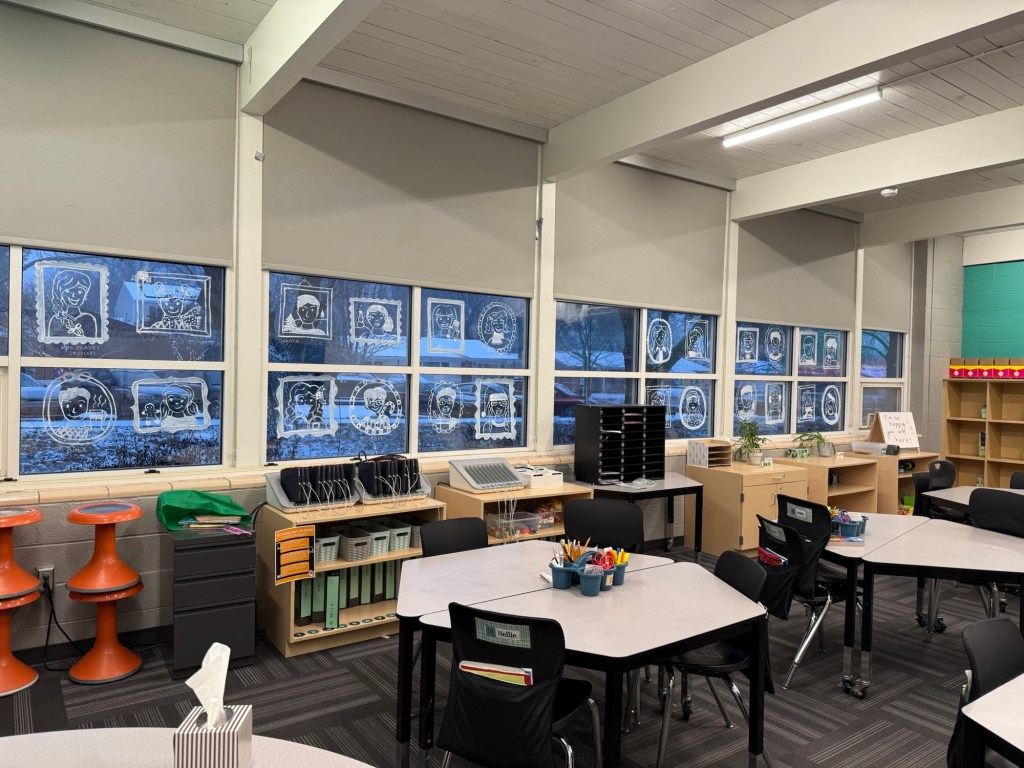
Here’s a reflection on the way teaching has changed for me.
Being Silly and Promoting Play
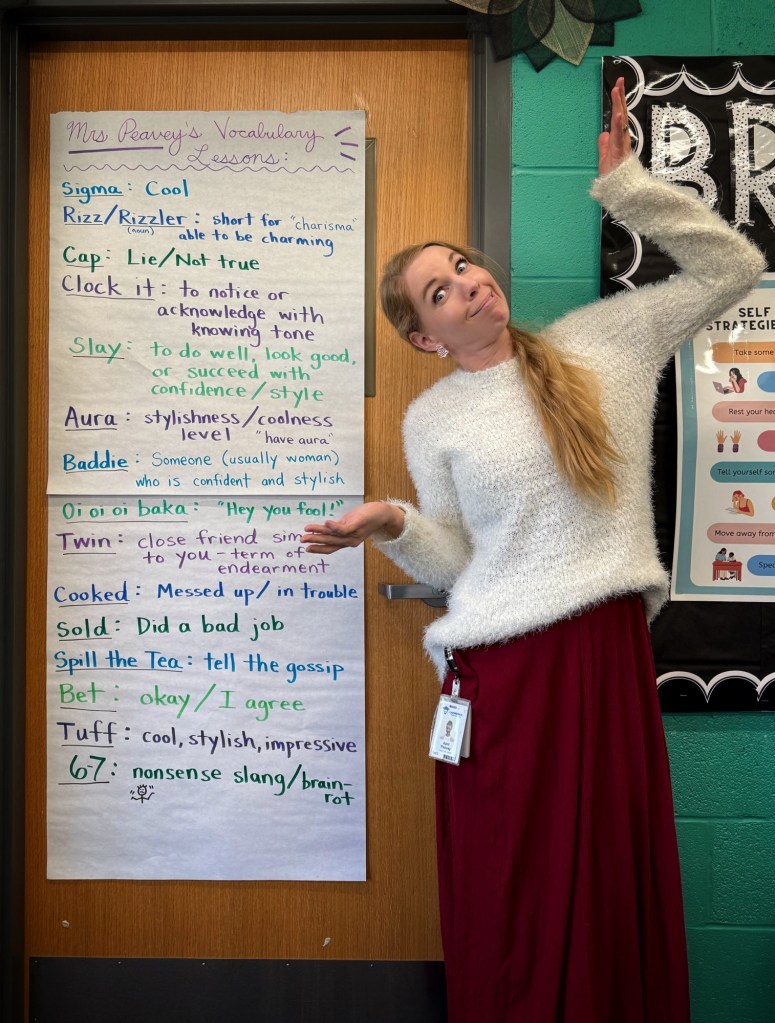
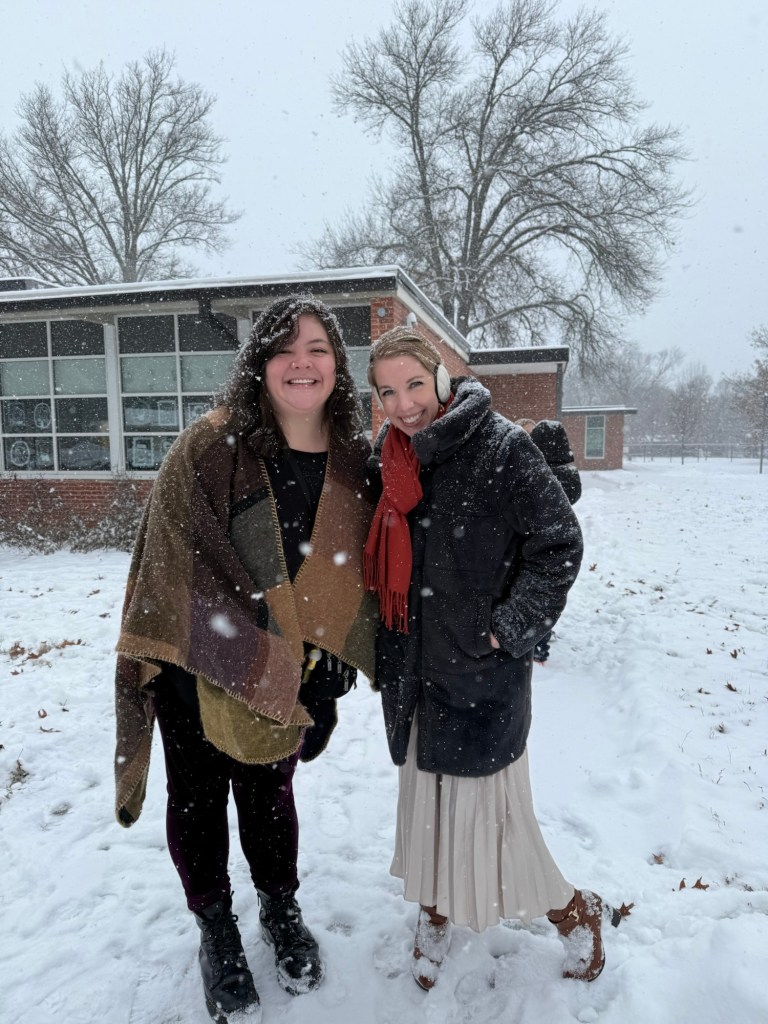
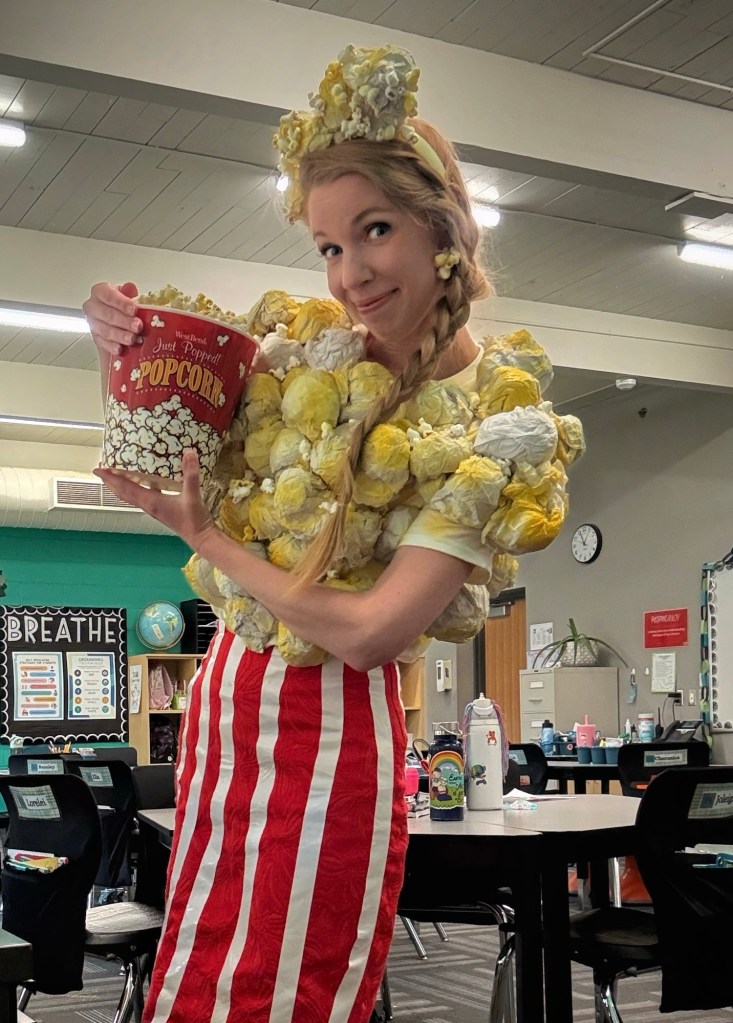
In my classroom, sometimes we work hard. We are focused and serious about our learning. But in between, I’m trying to sprinkle in some silliness and laughter. It’s little things like referring to my closet as a “dungeon” or pretending I’m “The Desk Fairy” after we clean the room and inspecting every inch of the room dramatically. I’ll ask the kids to answer math questions in a British or Southern accent just to keep them on their toes. If they work hard, I’ll take them out to recess early and on the first big snow of the year, I took the class out to play in the snow. I use their slang words when they are losing focus. “Class, it’s really sus when you don’t show your work in long-division. If you want to improve your aura and slay this problem, you’re going to have to line up your numbers. Clock it!” At this point in the year, they understand the balance. If they put in the work, we can have fun too. I used to feel like behaviors would get out of control if I was silly. I felt like I had to be strict and serious the majority of the time. Teaching art and working with younger kids seems to have loosened things up. I think travel also helped me have a bit more of a go-with-the-flow attitude.
Choices and Freedom
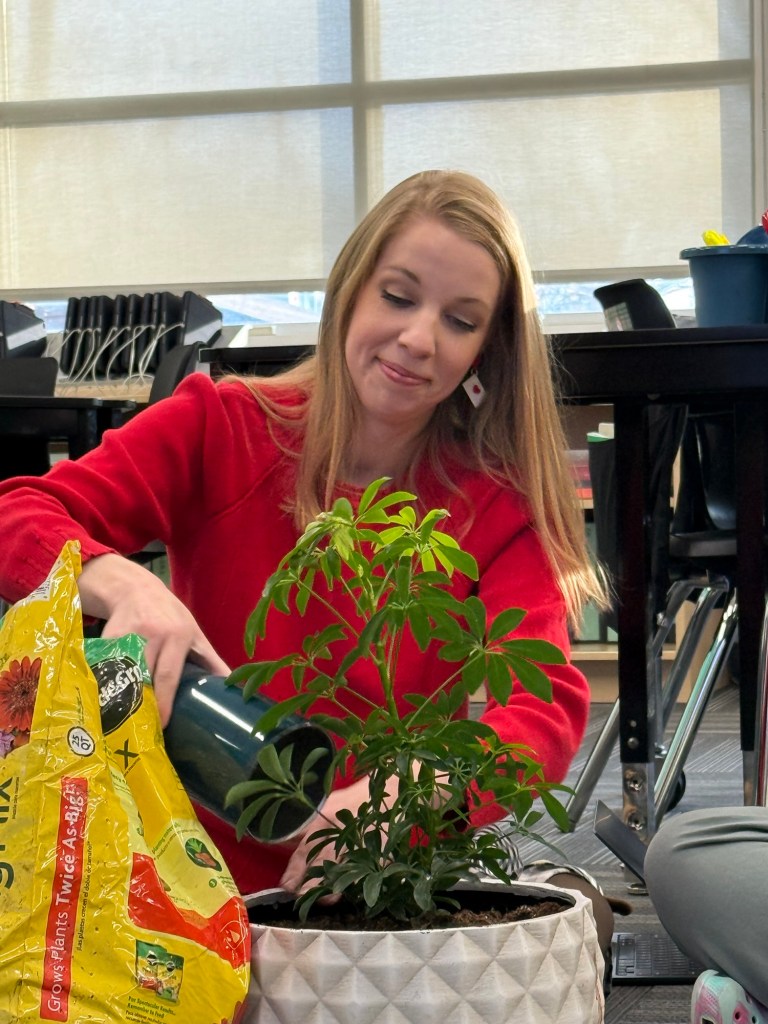
I have found that the key to getting kids to write more, enjoy writing, and improve their writing is they have to write about what they want. I started the year with a month of just brainstorming ideas and free-writing to build up their stamina and confidence. Now, I’m using Mystery Writing as a loose base for my curriculum, but I’m modifying it so kids have more freedom. Mystery Writing suggests students write a narrative about an Australian adventure. For opinion writing, they were to write a letter to a fictional mayor about opening a skate park. For informative writing, they were all supposed to write about asteroids. The Benchmark curriculum just has them writing about the short excerpts they read. In my class, we’ll cover all the genres and 6-steps, but I’m not forcing kids to write about topics they don’t care about. Right now I’ve got students writing about Autism, Zendaya, axolotls, the immune system, sea turtles, ADHD, Amelia Earhart and more. They also got to vote on names for the plants in our classroom or what we do for class parties. When it’s cold, they get a choice to stay inside or go out for recess. If they finish all their work for the week, they get “Fun Friday” time to play games or draw or just relax. Kids need structure and routine, but they also need opportunities to do what feels right for them. I think I learned this lesson most in Tunisia. Students at ACST had a lot of freedom, especially within the ELA curriculum and I saw firsthand how much more invested they were in their work.
Limited Screen Time
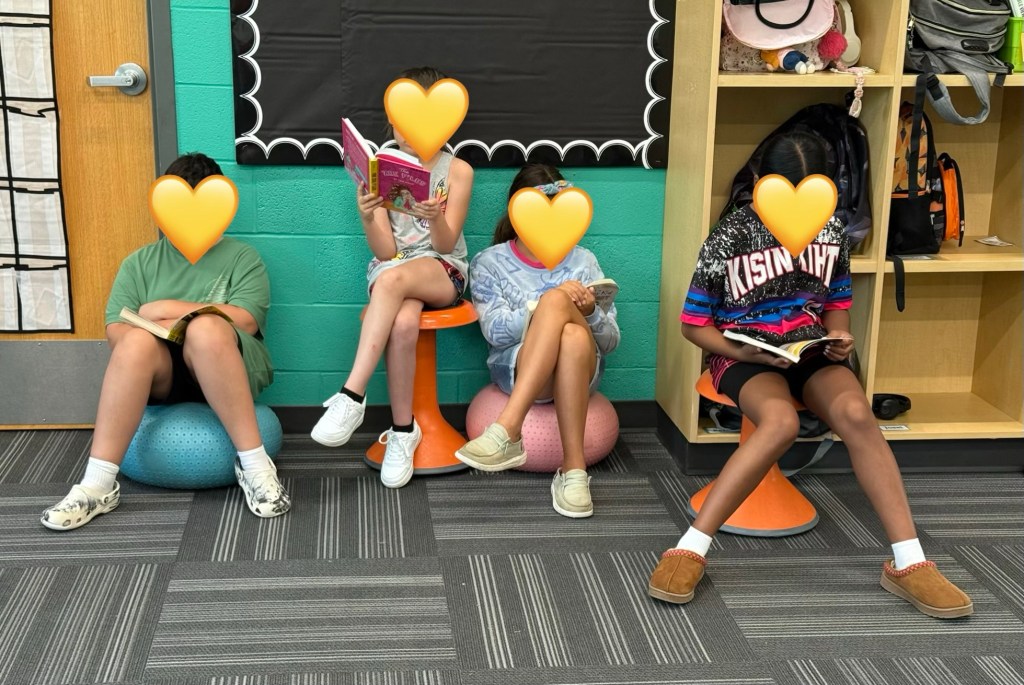
For the most part, my ipads are just collecting dust in my classroom. I am required to use them for some testing, and I have used them a few times for research on PebbleGo or typing final drafts. Otherwise, they just sit there. It seems there are some school districts, for the sake of being “progressive,” who are pushing online curriculums and AI usage for teachers and students. Students are spending a significant amount of their day on screens and rewarded with additional screen time. I’m sure those classrooms are very quiet and calm while kids are glued to screens, but I have zero interest in participating in this tech-revolution. I used to be more open to trying out the latest app or site with students. I also taught during COVID where we had to pivot to online teaching. Last year, I watched my son struggle in math because he was forced to do all his assignments, homework, and tests online. It was extremely frustrating. I’ve also seen changes in student populations over the years. Many kids are coming to us with low motor skills, poor social skills, questionable influences, and little attention spans. It didn’t feel like that when I started teaching back in 2010. But when you know better, you do better. The research is crystal clear. Elementary students should not be on devices all day. They should be interacting with their teachers and their peers. So that’s my rant. I’m stubbornly anti-technology in the hands of kids, and I’m happy to be in a district that backs me up.
No Holding Grudges
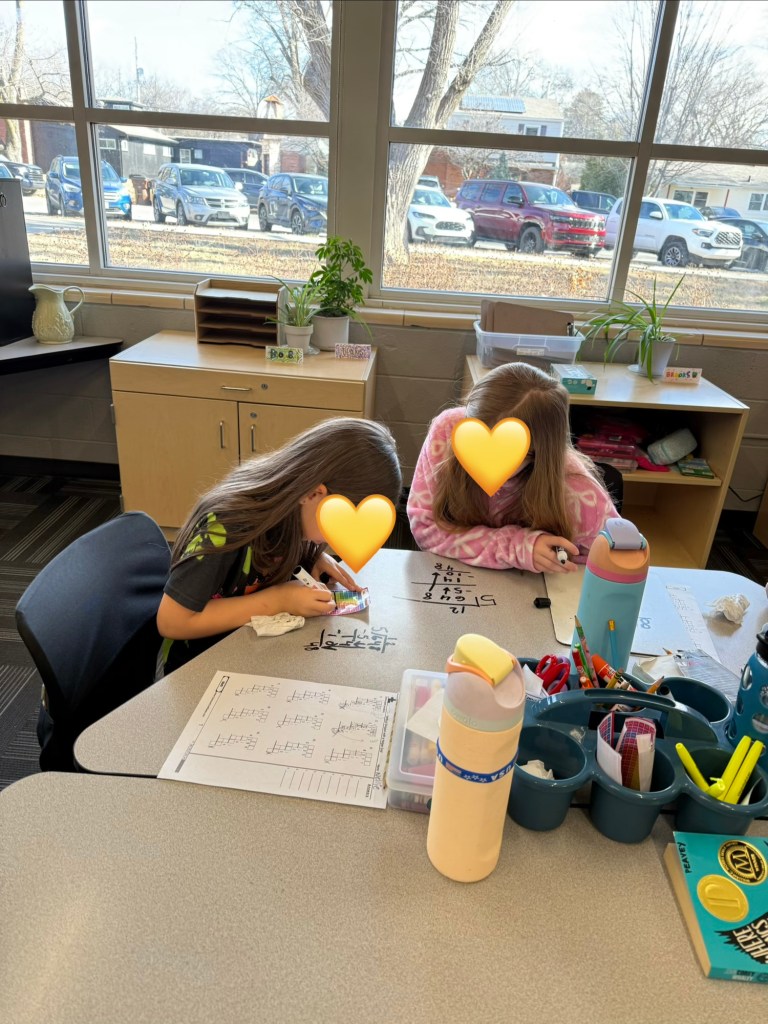
I genuinely like the kids in my class, so that makes this one easier. I try my best to not take things personally or hold onto grudges. When kids make a bad choice, I usually chat with them during recess and ask if they know what they did and what they can do better next time. After a brief conversation, I smile and say “okay, go play!” as if nothing ever happened. No lectures. No guilt-trip. No anger or disappointed emotions from me. Mainly, I want them to understand, I still like them. I’m not upset. That doesn’t mean I’m not going to hold them accountable every time. I have clear boundaries for my students and I follow through on consequences, but there will be no power struggle. It’s not me against them. Their actions determine if they have extra freedom and privileges. Their actions determine what I write on the report card or say at conferences. It’s totally up to them what kind of day they have. I’m just there encouraging them to learn and make good choices. I’m on their side, even when they fail. I think with consistent expectations and follow-though, most kids figure it out, but my emotions don’t have to be a part of that equation. I think this lesson was mainly learned through experience and maturity, but Michael Linsin’s book Classroom Management for Art Music and PE Teachers was a game changer as well.
No Homework
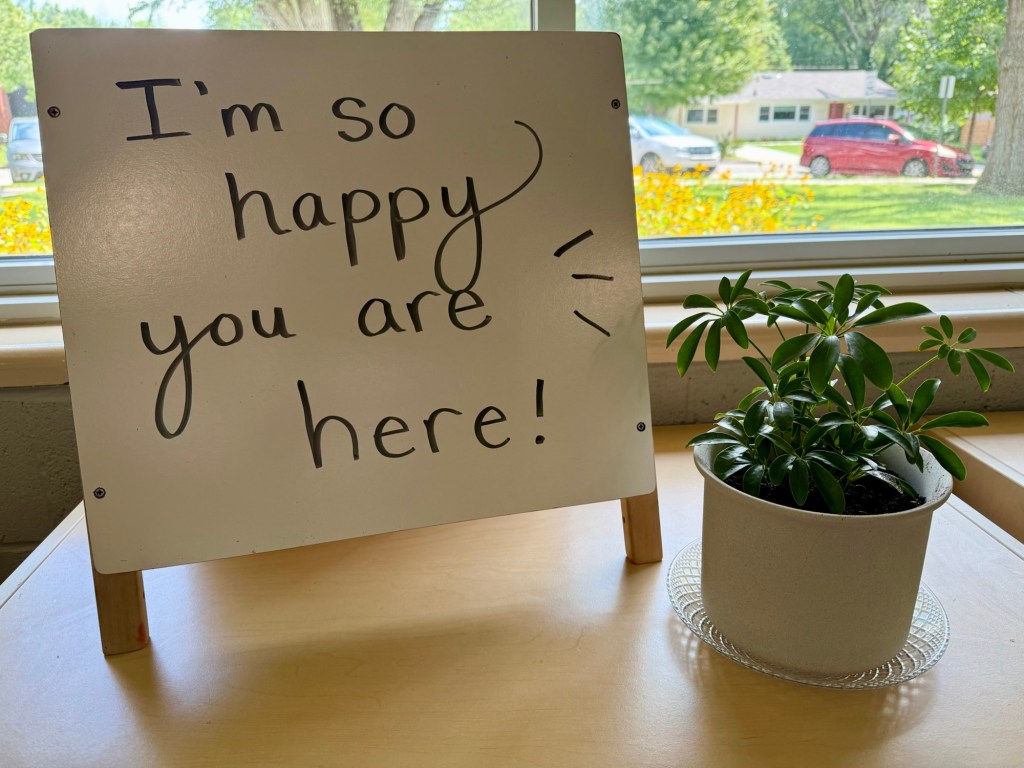
This one is pretty self-explanatory, but it’s nice that my school matches my philosophy here. When I started teaching, I used to give quite a bit of homework. I remember it being a constant battle to track down papers, try to hold kids accountable, and communicate with parents. After having my own kids, I realized how difficult it was to squeeze in homework after a long day with after-school activities, dinner, showers, etc. Homework often created tense moments with confusion, exhaustion, and tears. I understand homework can teach responsibility, but my students are only ten years old. They are working in school for 7 hours a day. Don’t they deserve a break and time to just be a kid? Let them have quality time with friends and family! I’m glad homework is no longer part of my teaching practice.
Parent Communication
I’m a bit embarrassed to admit this, but this is the first year I have consistently done a weekly newsletter for parents. I have a template on Canva and I just modify it each week. It only takes me about 15 minutes and then I schedule it to be sent out every Friday at 3:00pm on ParentSquare. I’ve also gotten better about sending little notes to individual families anytime issues pop up. It takes 5 minutes or less to send a message to let a parent know that their child is having a rough day and what I think may be triggering it. When I first started teaching, I think I sugar-coated things too often. Now, with my own children, I wish people would just be real with me. So I try my best to be direct and honest. I have wonderful parents this year, and it’s a nice feeling to have those partnerships. If your kid is falling asleep in class, I’ll let you know. If your kid isn’t understanding a math concept after a week of practice, I’ll let you know. If your kid isn’t acting like their normal self, I’ll let you know. It takes a bit of extra time, but it’s so worth it.
Real Talk and Wisdom
I am almost 40 years old. I have lived, traveled, learned life lessons, made mistakes, and done a lot of introspection and self-improvement in that time. So when it’s appropriate, I try to share bits of wisdom with my students- things I learned in psychology classes, from self-help books, therapy, or just life experiences. This is the first year as a teacher that I have felt this genuine with students- not just putting on a teacher-mask all the time. I think having morning meeting has been huge for opening up this avenue. I also like the Character Strong curriculum we use as a jumping off point for good conversation. I never get into politics, but we do touch on morality, self-discovery, and relationships in a basic, non-spiritual sense. A few examples of life-lessons we’ve covered this year:
- Meditation is a fantastic tool for your brain and body. It helps ground you to the present moment which does wonders for your nervous system.
- When people put others down, it’s usually because they are unhappy themselves.
- Chasing after happiness doesn’t always work. Sometimes it has the opposite effect. Instead, try focusing on gratitude. When you focus on the good things in your life, they tend to grow.
- The most successful people who have achieved great things, like Olympic athletes, are at the top, not because they are more talented or smarter than other people. Success happens for people who have grit and never give up. Hard work goes farther than natural talent.
- Be patient and kind to those who don’t speak English as their first language. Being in a place where you don’t speak the language can be scary, frustrating, and exhausting. Try to put yourself in their shoes.
- All of our brains work in different ways. Something that’s easy for you may be hard for someone else. I used to struggle in math when I was a kid and I’m still not a great speller. That doesn’t mean I’m not smart. We all have our own strengths and challenges. Be kind and don’t judge others.
- If you ever come across people or content on the internet where someone is saying one group is better than another- this gender is better than that one, that religion is better than the other, this race is better than those other races, etc- it’s not true. They don’t know what they are talking about. We’re all human. Don’t fall into the trap of thinking you are better than another person or group.
I’m not sure all of these little conversations will stick, but my kids seem receptive and they ask good questions. I enjoy the times I can be real with my students.
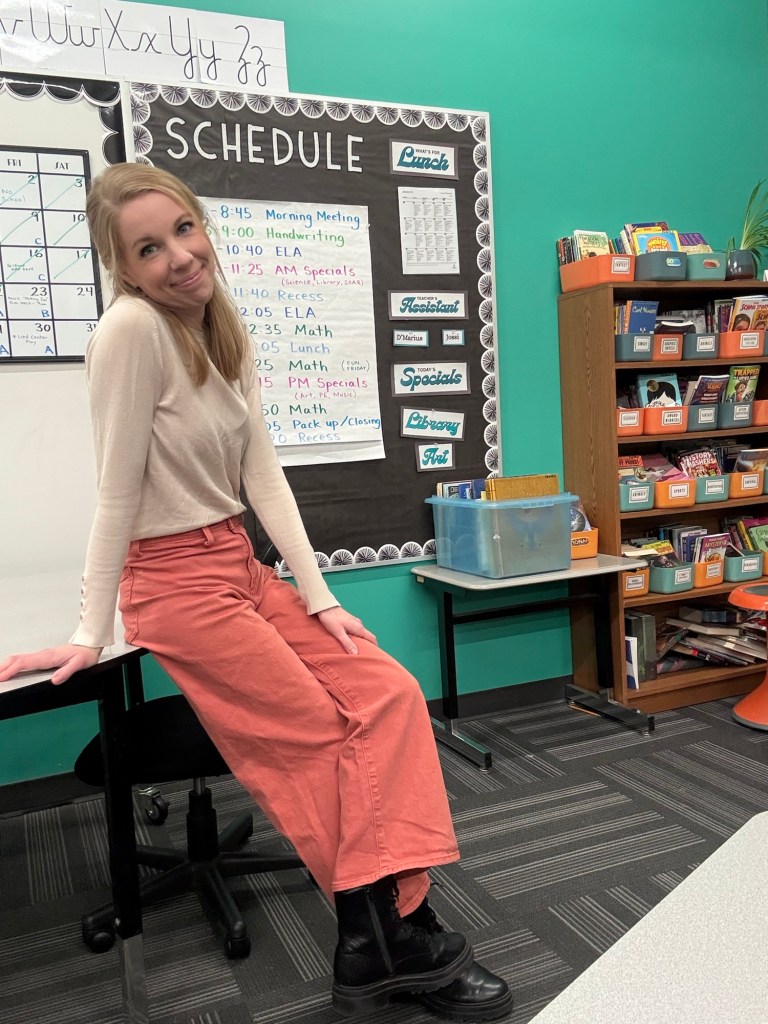
I don’t think I was a “bad” teacher in the past, but I would say I’ve grown a lot since the early days in my career. I’m less rigid now; more relaxed and light-hearted. I have more empathy, perhaps from motherhood or other life-experiences. Teaching used to be my entire personality which is a one-way ticket to burn-out. Now it’s just one part of me. I have healthier boundaries with my job. It is possible to care about my students and also have a life and interests outside of my classroom. Growth is the name of the game. No teacher is perfect, but I think what I’ve learned is that curiosity, reflection, and evolution have finally given me my dream job.
 Goodbye Yellow Brick Road
Fantastic! And inspiring. Love that you are writing and having your classroom do so too. ❤️
LikeLike